 Shodailer
Top 2026 Trends for 53 Ft Semi Trailers at Canton Fair?
As the 2026 Canton Fair approaches, the spotlight on the 53 Ft Semi Trailer industry intensifies. Leading expert in transportation logistics, Mr. James Carter, emphasizes, "Innovation in semi trailers is crucial for meeting modern demands." This statement captures the essence of the ongoing trends shaping this sector.
The Canton Fair will feature advanced manufacturing and mechanical solutions, showcasing cutting-edge designs for 53 Ft Semi Trailers. The introduction of AI-driven tools will streamline the sourcing process for buyers, allowing them to quickly identify qualified suppliers. This efficiency is vital in a fast-paced market, influencing purchasing decisions.
However, the industry faces challenges. Sustainability and regulatory compliance remain pressing issues. Many trailers are not yet optimized for environmentally friendly practices. This gap highlights the need for ongoing improvement. Companies must adapt to new standards while maintaining quality. As we prepare for the fair, the evolution of the 53 Ft Semi Trailer remains a focal point for innovation and reflection.
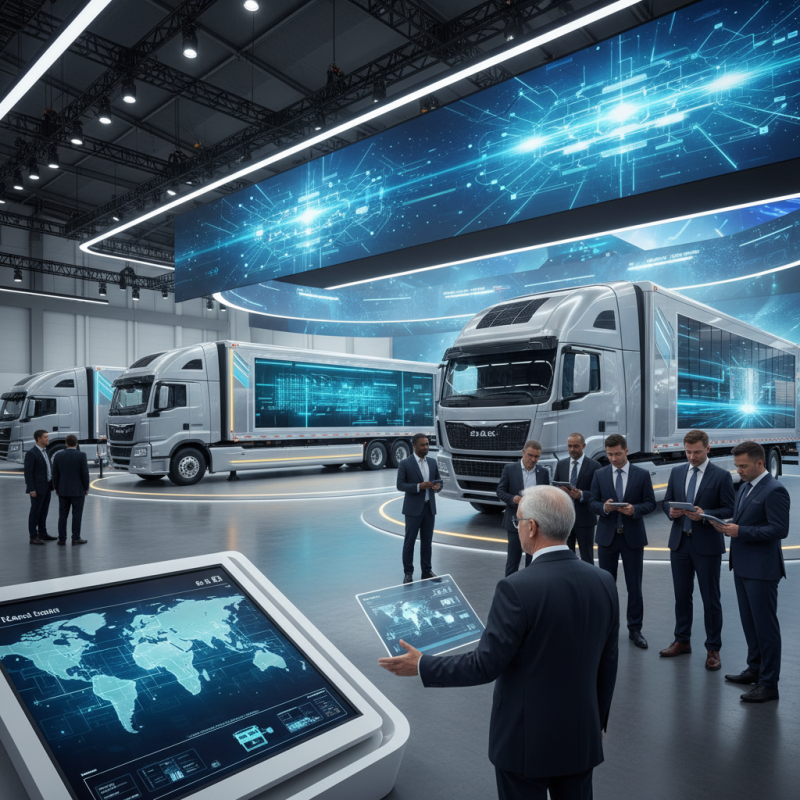
Top Emerging Technologies in 53 Ft Semi Trailers for 2026
The 53 ft semi-trailer industry is evolving rapidly. In 2026, emerging technologies will reshape how these trailers are designed and manufactured. A report from the American Trucking Association predicts that smart trailers will reduce maintenance costs by up to 30%. This could lead to significant savings for logistics companies.
IoT integration is becoming commonplace. Sensors in trailers monitor tire pressure and temperature. This technology helps prevent breakdowns and improves safety on the road. Companies could face challenges adapting to new tech. Not all drivers or operators are familiar with these systems. Training and adaptation will be crucial.
Renewable energy solutions are on the rise too. Solar panels on trailers could power refrigeration units, reducing fuel costs. However, implementation comes with obstacles. The initial investment is high. Many companies hesitate to adopt green technologies. Yet, the long-term benefits might outweigh the initial hurdles. Sustainability is no longer just an option; it’s becoming a necessity.
Top 2026 Trends for 53 Ft Semi Trailers at Canton Fair - Top Emerging Technologies in 53 Ft Semi Trailers for 2026
| Trend | Description | Expected Impact | Technology Type |
|---|---|---|---|
| Electric Powertrains | Integration of electric powertrains for reduced emissions and operational costs. | Increased fuel efficiency and compliance with environmental regulations. | Green Technology |
| Advanced Aerodynamics | Innovative designs to improve airflow and reduce drag. | Improved fuel economy and extended range. | Design Technology |
| Telematics Systems | Real-time tracking and diagnostics for fleet management. | Enhanced operational efficiency and reduced downtime. | Information Technology |
| Lightweight Materials | Use of composite and aluminum materials to reduce weight. | Higher payload capacity and lower fuel consumption. | Material Science |
| Autonomous Driving Technology | Development of systems that allow for self-driving capabilities. | Potential reduction in driver costs and increased safety. | Automation Technology |
FAQS
: Groundbreaking designs focus on lightweight materials and customizable features, improving efficiency and adaptability.
These materials enhance fuel efficiency and payload capacity, while also offering durability and flexibility.
Buyers need solutions tailored to specific logistics, enhancing adaptability across various terrains.
Designers focus on sleek lines and modern finishes, balancing functionality with visual appeal.
Balancing functionality and weight while ensuring compliance with safety and regulatory standards is difficult.
E-commerce growth and logistics needs push for larger trailers that optimize space and ensure safety.
New emission and safety standards require manufacturers to adapt their designs for compliance, challenging innovation.
User insights are crucial for addressing cost concerns and improving sustainability in trailer designs.
Fierce competition drives companies to evaluate fleet sizes and focus on durability under various conditions.
Companies must consider how to innovate quickly while maintaining safety and efficiency amid new rules.
Conclusion
The article titled "Top 2026 Trends for 53 Ft Semi Trailers at Canton Fair" delves into the transformative landscape of the semi-trailer industry as it heads into 2026. Key trends highlighted include emerging technologies that enhance efficiency and safety, as well as innovative design trends that are reshaping the aesthetics and functionality of 53 Ft Semi Trailers. Furthermore, the discussion extends to sustainability practices in manufacturing, emphasizing the industry's commitment to environmentally friendly operations.
Market demand analysis for 53 Ft Semi Trailers reveals an increasing need for advanced features and compliance with evolving regulatory standards. The article also underlines the impact of recent regulatory changes that are shaping the growth and evolution of the semi-trailer sector at significant trade events like the Canton Fair. By examining these aspects, the article provides a comprehensive view of the future direction in which 53 Ft Semi Trailers are headed, catering to the demands of a dynamic market.
