
Choosing the right trailer can reshape a hauling business. The best Flatbed Truck Trailer is not always the newest or most expensive model. It must match cargo weight, loading methods, route conditions, and maintenance capacity.
This guide, “10 Best Flatbed Truck Trailers for Sale in 2026,” examines practical choices for contractors, carriers, equipment dealers, and growing fleets. Each model deserves attention for deck strength, axle configuration, suspension performance, tie-down options, corrosion protection, and available customer support. A trailer may look impressive on a dealer’s lot. Its real value appears after months of loading steel beams, machinery, lumber, or oversized construction materials.
Industry consultant Mike O’Neal, a veteran flatbed fleet manager, says, “A trailer earns its keep when loading stays safe, fast, and repeatable.” That principle guides this selection. It also reminds buyers to inspect the small details. Check weld quality. Measure deck height. Review payload ratings. Confirm how easily replacement parts can be obtained.
The shortlist is imperfect. No single trailer fits every operation. A lightweight aluminum model may reduce fuel use, while a steel trailer can offer greater durability under harsh workloads. Some buyers may prioritize versatility, but others need specialized features for frequent heavy-haul assignments. Prices, lead times, specifications, and regional availability can also change during 2026.
Use these recommendations as a practical starting point, not a final purchasing decision. Compare manufacturer documents, inspect each trailer personally, and request verified service records. The right choice should support safe loading, dependable transport, and predictable operating costs over many working seasons.
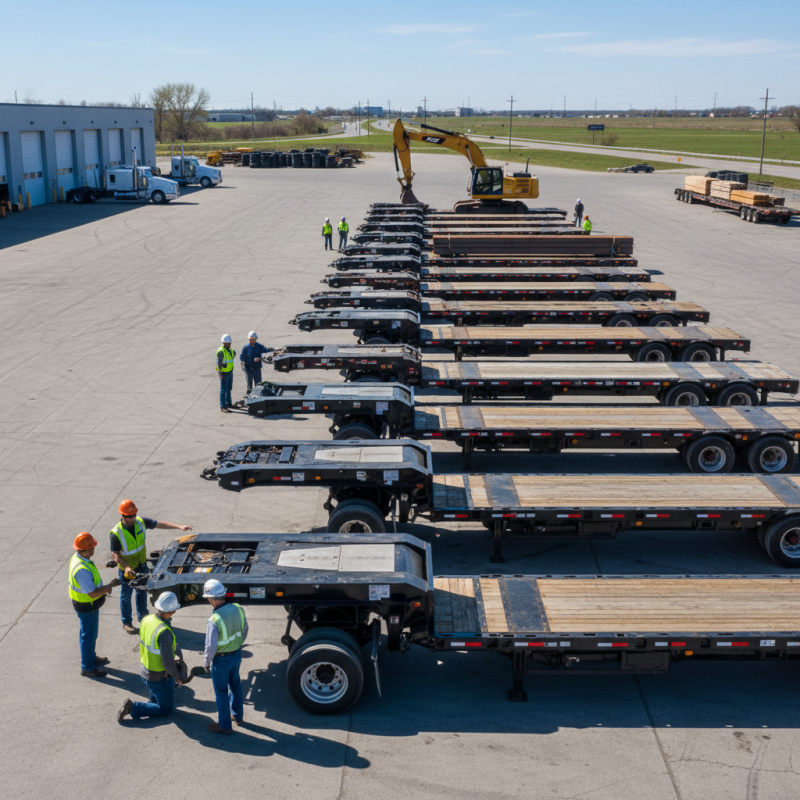
Flatbed Truck Trailers Explained: Types, Uses, and Key Features
Flatbed truck trailers remain useful for cargo that cannot fit inside enclosed equipment. Their open decks allow forklifts and cranes to load materials from several angles. A standard flatbed handles machinery, building supplies, steel sections, and packaged freight. Step-deck models offer lower deck height for taller cargo. Extendable trailers support unusually long materials. Each design solves a different transport problem. That choice matters.
Construction crews often prefer strong decks with accessible tie-down points. Agricultural operators may need flexible space for equipment and seasonal loads. When comparing key features, check the gross capacity, axle arrangement, deck length, and suspension type. A reinforced steel frame can improve durability, but it may increase empty weight. Do not judge capacity by appearance. Reliable load ratings should come from clear technical documents, not casual estimates. Small details matter.
When reviewing flatbed truck trailers for sale in 2026, inspect welds, deck boards, axles, brakes, lights, and tires. Ask for maintenance records and confirm the trailer’s dimensions before purchase. I have seen buyers focus on price while overlooking corrosion around suspension mounts. That mistake gets expensive. Check whether the tie-down hardware is positioned for your actual cargo. Leave working clearance around ramps and loading areas. Specifications can look perfect on paper. Real use is messier. A careful inspection may reveal limitations that photographs never show.
When comparing the 10 best flatbed truck trailers for sale in 2026, inspect capacity before appearance. A thick deck does not prove structural quality. Check weld consistency, cross-member spacing, frame straightness, kingpin wear, and corrosion around suspension mounts. Ask for the trailer’s empty weight and calculate usable payload from its rated gross vehicle weight. Federal Highway Administration rules generally limit interstate combinations to 80,000 pounds gross weight, with 20,000 pounds on a single axle and 34,000 pounds on a tandem axle. Actual state limits may differ.
Compatibility also needs a physical check. Measure fifth-wheel height, deck length, axle spacing, electrical connectors, brake systems, and tire ratings against the tractor. Confirm that the load’s center of gravity will not overload one axle. The Commercial Vehicle Safety Alliance reported 48,761 inspections during its 2024 International Roadcheck, with 23.3% of commercial vehicles placed out of service. That figure makes brake condition, tires, lighting, and securement hardware more than paperwork details. They affect uptime.
A practical yard inspection should include a loaded-road simulation when possible. Listen for suspension knocks and watch for uneven tire contact. I still find small weld cracks easier to spot after washing away road grime. That is an imperfect method, but better than trusting fresh paint. Review maintenance records, inspection dates, replacement parts, and documented load tests. A trailer that fits the hitch may still fail the job if its deck height, axle rating, or tie-down points mismatch the intended freight.
10 Best Flatbed Truck Trailers for Sale in 2026
The 10 best flatbed truck trailers for sale in 2026 should match real hauling conditions, not showroom appearance. A standard steel flatbed suits general machinery, building materials, and palletized freight. An aluminum model reduces empty weight, which can improve payload efficiency on long routes. Drop-deck trailers work better for taller equipment, while extendable designs handle unusually long loads. Lowboy-style flatbeds offer a lower center of gravity for heavy machinery. Curtainside-compatible decks can add weather protection without fully enclosing the cargo. Multi-axle configurations support heavier legal loads when the truck and road limits allow them. Removable gooseneck trailers improve loading access for wheeled equipment. Combination flatbeds provide useful flexibility. Dedicated pipe or lumber decks may be more efficient for specialized work.
During inspections, I check deck straightness, weld quality, brake response, tire wear, and suspension movement. Look closely at stake pockets and tie-down rings. They often show abuse before the frame does. A 48-foot deck may sound ideal, but a shorter trailer can maneuver better in crowded yards. I once overvalued extra length and underestimated turning clearance. That mistake changed my buying checklist. Confirm the empty weight, rated capacity, axle spacing, floor thickness, and loading height. Ask for maintenance records and inspect underneath with a bright light. Hydraulic ramps, toolboxes, and LED lighting add value, but only when they work reliably. Pricing should include tires, registration requirements, delivery, and likely repairs. The best 2026 choice is the trailer that fits your freight, truck rating, routes, and daily loading habits.
The 10 best flatbed truck trailers for sale in 2026 should be compared beyond their advertised prices. Entry-level models may cost about $12,000, while heavy-duty units can exceed $35,000. Prices change with deck length, axle capacity, suspension, ramps, and steel thickness. A lower price may hide expensive upgrades.
Specifications matter during real loading work. A 20-foot deck suits compact equipment, while a 48-foot deck supports larger machinery. Check payload ratings carefully. They must match your truck and regular cargo.
Frame welds, tie-down points, rub rails, and floor condition deserve close inspection. I would also measure ramp angles before purchase. Small details can create large loading problems.
Warranty coverage should include the frame, axles, lighting, and structural welds. Read the exclusions, repair location, and claim procedure. Some warranties look generous but cover limited labor costs. Maintenance needs are usually simple, yet they are not optional. Inspect wheel bearings, brakes, tires, lights, and suspension components before long trips. Wash road salt from the deck and touch up damaged coatings quickly. Keep service records with dates and replaced parts. My comparison method is practical, but imperfect. Local labor rates and used-trailer history can change the final value significantly. Shorter warranties may still work for occasional users, while fleet operators need stronger coverage and easier parts access.
Choosing among the 10 best flatbed truck trailers for sale in 2026 starts with your daily hauling needs. A trailer for steel beams may not suit construction equipment or farm machinery. Measure your usual cargo, including its length, width, height, and weight. Then compare the trailer’s deck length, payload rating, axle capacity, and cargo distribution.
I have found that tie-down points matter more than attractive paint. Look for closely spaced pockets, strong rub rails, and accessible winch rails. A low deck can simplify loading, while ramps improve access for wheeled equipment. Check the suspension, brakes, lights, tires, and frame welds during an in-person inspection. Small cracks or uneven tire wear deserve attention.
Weather exposure changes the decision. Galvanized parts can resist corrosion, but they still need cleaning and inspection. Ask for service records and confirm that replacement parts are readily available. Requirements for lighting, weight, and securement vary by location, so verify them with the relevant transport authority before purchase. My first trailer comparison focused too heavily on price. That was a mistake. A cheaper unit can cost more through downtime, repairs, and difficult loading. No checklist is perfect. Bring an experienced technician when possible, and leave room in the budget for repairs discovered after delivery.
| Rank | Trailer Configuration | Overall Length | Deck Width | Typical GVWR | Approx. Payload | Axle Setup | Loading Features | Typical 2026 Price | Best Business Use |
|---|---|---|---|---|---|---|---|---|---|
| 1 | 20 ft Utility Flatbed | 20 ft / 6.1 m | 8.5 ft / 2.6 m | 14,000 lb / 6,350 kg | Approximately 10,500 lb / 4,760 kg | Tandem 7,000-lb axles | Removable ramps, stake pockets, treated wood deck | $9,000–$15,000 | Landscaping equipment, pallets, compact machinery |
| 2 | 24 ft General-Purpose Flatbed | 24 ft / 7.3 m | 8.5 ft / 2.6 m | 16,000 lb / 7,260 kg | Approximately 12,000 lb / 5,440 kg | Tandem 8,000-lb axles | Full-width rear ramp, D-rings, rub rail | $12,000–$19,000 | Mixed contractor and regional freight work |
| 3 | 30 ft Heavy-Duty Flatbed | 30 ft / 9.1 m | 8.5 ft / 2.6 m | 24,000 lb / 10,890 kg | Approximately 18,000 lb / 8,165 kg | Tandem 12,000-lb axles | Heavy steel frame, 12 tie-down rings, ramps | $18,000–$28,000 | Construction machinery and heavier equipment |
| 4 | 40 ft Multi-Axle Flatbed | 40 ft / 12.2 m | 8.5 ft / 2.6 m | 48,000 lb / 21,770 kg | Approximately 38,000 lb / 17,240 kg | Tri-axle, 16,000-lb axles | Air brakes, reinforced deck, sliding tie-downs | $32,000–$50,000 | Regional heavy-haul and industrial freight |
| 5 | 50 ft Extendable Flatbed | 40–50 ft / 12.2–15.2 m | 8.5 ft / 2.6 m | 52,000 lb / 23,590 kg | Approximately 40,000 lb / 18,140 kg | Tri-axle, 16,000-lb axles | Telescoping frame, sliding suspension, air brakes | $48,000–$75,000 | Long steel, pipe, beams, and oversized cargo |
| 6 | Low-Profile Flatbed | 24–30 ft / 7.3–9.1 m | 8.5 ft / 2.6 m | 24,000 lb / 10,890 kg | Approximately 17,500 lb / 7,940 kg | Tandem 12,000-lb axles | Deck height near 30 in, beavertail, loading ramps | $22,000–$35,000 | Skid steers, lifts, rollers, and low-clearance machinery |
| 7 | Drop-Deck Flatbed | 48–53 ft / 14.6–16.2 m | 8.5 ft / 2.6 m | 80,000 lb / 36,290 kg | Approximately 48,000 lb / 21,770 kg | Tri-axle, 20,000-lb axles | Lower deck, air suspension, heavy-duty tie-downs | $55,000–$85,000 | Tall machinery requiring additional clearance |
| 8 | Refrigerated-Unit Support Flatbed | 28–32 ft / 8.5–9.8 m | 8.5 ft / 2.6 m | 26,000 lb / 11,790 kg | Approximately 19,000 lb / 8,620 kg | Tandem 13,000-lb axles | Reinforced center section, crossmembers, side rails | $25,000–$40,000 | Transporting refrigeration units and service equipment |
| 9 | Hotshot Flatbed Trailer | 35–40 ft / 10.7–12.2 m | 8.5 ft / 2.6 m | 14,000–16,000 lb / 6,350–7,260 kg | Approximately 10,000–12,000 lb / 4,540–5,440 kg | Tandem 7,000–8,000-lb axles | Gooseneck coupler, dovetail, hydraulic ramps | $14,000–$24,000 | Expedited regional loads and small-fleet hauling |
| 10 | Modular Heavy-Haul Flatbed | 20–60 ft / 6.1–18.3 m | 8.5–10 ft / 2.6–3.0 m | 80,000–120,000 lb / 36,290–54,430 kg | Approximately 55,000–85,000 lb / 24,950–38,560 kg | Four or more 20,000-lb axles | Bolted modules, hydraulic suspension, reinforced deck | $95,000–$180,000 | Oversized industrial, energy, and infrastructure loads |
: A standard steel deck handles machinery, building materials, and palletized freight. It is sturdy. An aluminum deck weighs less and may improve payload efficiency on long routes. Choose based on cargo, routes, and truck capacity.
Drop-deck trailers suit taller equipment because they reduce loading height. Lowboy-style designs lower the center of gravity for heavy machinery. Measure cargo height carefully before buying. A low deck can simplify loading.
A 20-foot deck may suit compact equipment and crowded yards. A 48-foot deck carries larger machinery but needs more turning space. Measure usual cargo length, width, height, and weight. I once overvalued extra length. That was a costly assumption.
Check deck straightness, frame welds, brakes, tires, suspension, and lighting. Inspect stake pockets, tie-down rings, rub rails, and winch rails closely. Look underneath with a bright light. Small cracks matter.
Entry-level models may cost around $12,000. Heavy-duty units can exceed $35,000. Prices vary with deck length, axles, ramps, suspension, and steel thickness. Include delivery, registration, tires, and possible repairs.
Confirm the empty weight, rated capacity, axle spacing, and loading height. The trailer must match the truck’s rating and regular cargo. Heavy loads also depend on applicable road and weight requirements. Ask the relevant transport authority when uncertain.
They add practical value when they operate reliably. Test hydraulic ramps several times before purchase. Check toolbox hinges, wiring, lights, and damaged cables. Useful extras can become expensive repairs.
Inspect wheel bearings, brakes, tires, lights, and suspension before long trips. Wash road salt from the deck and repair damaged coatings promptly. Keep service records with dates and replaced parts. Maintenance is simple, but never optional.
Read coverage for the frame, axles, lights, and structural welds. Check exclusions, labor limits, repair locations, and claim procedures. Confirm that replacement parts are available near your operating area. A short warranty may still suit occasional use, but not always.
Compare the trailer with daily cargo, loading habits, routes, and truck limits. Bring an experienced technician when possible. Leave room for repairs discovered after delivery. No checklist is perfect.
Choosing the right Flatbed Truck Trailer is essential for businesses that transport machinery, construction materials, agricultural equipment, and other oversized loads. This guide explains the main trailer types, including fixed, extendable, drop-deck, and lightweight designs, while highlighting important features such as deck length, axle configuration, load capacity, tie-down points, flooring, brakes, lighting, and suspension. It also provides practical methods for evaluating build quality, payload limits, towing compatibility, and long-term durability.
The 10 best Flatbed Truck Trailer options for sale in 2026 are compared through their specifications, estimated price ranges, warranty coverage, service requirements, and maintenance needs. Rather than focusing only on purchase price, the guide emphasizes total ownership cost, ease of repair, fuel efficiency, safety equipment, and suitability for different hauling conditions. By matching trailer capacity and design with the truck, cargo type, operating environment, and business budget, buyers can select a dependable solution that supports safer transportation and reliable long-term performance.

Shodailer