When tackling large projects, having the right Utility Trailer can make all the difference. According to the National Association of Trailer Manufacturers, the utility trailer market is expected to grow by 5% annually. This growth reflects the increasing need for efficient transportation solutions across various industries.
Expert Bob Jenkins, a leading figure in trailer manufacturing, emphasizes, "A reliable utility trailer enhances productivity and simplifies project logistics." This sentiment resonates with many professionals who rely on utility trailers for tasks ranging from landscaping to construction. Selecting the best Utility Trailer involves careful consideration of size, weight capacity, and material—factors that significantly impact performance and durability.
While many options exist, not all meet the demands of heavy-duty tasks. Some trailers may not withstand rugged conditions, leading to potential project delays. Thus, recognizing the right specifications is vital. As the industry evolves, we must remain aware of emerging trends and innovations to choose the perfect Utility Trailer for our projects.
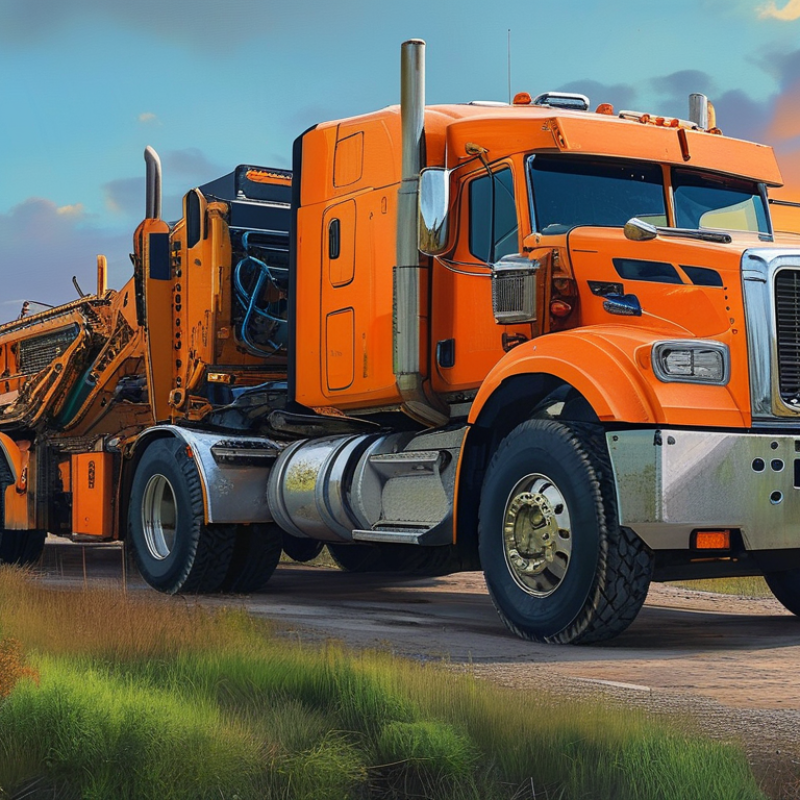
Factors to Consider When Choosing a Utility Trailer for Projects
Choosing the right utility trailer for your project involves several factors. First, consider the load capacity. Most utility trailers can carry between 1,000 to 3,000 pounds. For serious projects, you might need a heavy-duty option. Overloading can lead to safety hazards and damage. The average cost of a trailer can range from $500 to $2,000, depending on the features and size.
Next, think about the size and configuration. A 5x8-foot trailer is versatile for smaller jobs. However, larger projects may require a 7x14-foot design. Trailer design also affects usability. Open trailers are easier for loading bulky items, while enclosed ones protect tools from weather. According to industry reports, around 70% of users prefer enclosed trailers for their added protection and security.
Finally, assess the build materials. Steel trailers are more durable but heavier. Aluminum options are lighter and resistant to rust, making them easier to handle. However, lower-quality materials can lead to wear and tear. Reflecting on your needs is key. Prioritize what’s essential for your specific projects. Balancing capacity, size, and material will determine your satisfaction with the trailer.
Types of Utility Trailers: A Breakdown of Options Available
When selecting a utility trailer, consider the options available. Utility trailers come in various types, each serving unique purposes. Enclosed trailers offer protection from the elements. They are a great choice when transporting valuable items or equipment. Additionally, they can be used as mobile workspaces.
Open utility trailers provide versatility for different loads. They are ideal for transporting bulk materials like landscaping supplies or furniture. These trailers often feature removable sides and ramps, making loading and unloading easier. However, they lack protection from weather, so consider what you’ll be hauling.
Flatbed trailers are another popular option. They provide a sturdy surface and are great for heavy loads. If you’re moving heavy machinery or multiple items, a flatbed can accommodate it all. Still, think about the securement methods you’ll use. Ensuring your load is stable is crucial for safety on the road. Each type has its advantages and disadvantages, so weigh your options carefully.
Key Features to Look for in a Utility Trailer
When considering a utility trailer for your next big project, focus on key features that can enhance your experience. First, pay attention to the trailer’s load capacity. It's crucial to choose one that can safely accommodate your equipment and materials. Overloading can lead to accidents and damage. Also, check the construction materials; durable options often last longer and withstand harsh conditions.
Another important aspect is the trailer's braking system. A reliable braking mechanism ensures safe transport, especially with heavy loads. Look for models that offer responsive brakes. Additionally, the trailer's dimensions should be suitable for your towing vehicle. An ill-fitted trailer can complicate handling and maneuverability.
Tips: Always review user feedback on trailer performance. Inspect and test the trailer before making a final decision. Sometimes, what looks good on paper might not perform well in real-life scenarios. Remember, choosing the right utility trailer involves careful consideration of both features and personal needs.
Best Utility Trailer Options for Your Next Big Project? - Key Features to Look for in a Utility Trailer
| Feature |
Description |
Importance |
| Load Capacity |
Maximum weight the trailer can safely carry. |
Critical for project requirements. |
| Material |
Construction material of the trailer, commonly steel or aluminum. |
Affects durability and weight. |
| Dimensions |
Overall size, including length, width, and height. |
Important for fitting in spaces. |
| Tire Size |
Size of the tires used for stability and support. |
Affects handling and load stability. |
| Braking System |
Type of braking system (electric or surge brake). |
Enhances safety during transportation. |
| Ramp Style |
Type of ramp for easy loading and unloading. |
Convenience for loading heavy items. |
| Warranty |
Length and coverage of manufacturer warranty. |
Protects investment against defects. |
Budgeting for Your Utility Trailer Purchase: Tips and Considerations
When budgeting for a utility trailer, consider your specific needs. On average, a decent utility trailer costs between $1,000 and $3,000. However, prices can soar based on size, material, and features. Research shows that over 50% of buyers regret not factoring in additional costs like maintenance and insurance. This highlights the importance of a comprehensive budget.
A vital aspect is understanding your loading capacity. Many utility trailers handle between 1,500 to 3,500 pounds. Choosing a trailer that doesn't match your needs can lead to overloading. This not only poses safety risks but also adds unexpected costs. According to industry reports, approximately 30% of trailer owners report experiencing maintenance issues due to improper load management.
Consider resale value too. A well-chosen trailer might hold its value better. Data suggests that utility trailers depreciate significantly in the first few years. This can impact your overall investment return. Take time to assess how often you will use the trailer. Buying more than you need could lead to unnecessary spending.
Maintenance Tips to Ensure Longevity of Your Utility Trailer
Maintaining your utility trailer is key for long-term use. Regularly inspect your trailer for signs of wear. Look for rust, especially on the frame. Ensure that the tires are properly inflated. Check the brake lights and turn signals too. A small issue can escalate quickly if ignored.
Cleaning your trailer after each use helps prevent build-up. Road debris can damage the finish and lead to corrosion. Use a gentle soap and water solution to clean it thoroughly. Pay attention to the wheel wells. These areas often collect dirt and grime. Consider applying a protective coating occasionally. This can enhance durability.
Lubricating moving parts is essential for smooth operation. Don't overlook the hitch and safety chains. These parts endure a lot of stress. A little grease goes a long way in keeping everything functional. Be mindful of the load limits, as overloading can cause significant wear. Regular maintenance can reduce long-term costs and improve performance.
FAQS
: Focus on the load capacity and construction materials for durability and safety.
A reliable braking mechanism ensures safe transport, especially with heavier loads.
Average costs range from $1,000 to $3,000 but can increase based on features.
Overloading can lead to safety risks and unexpected maintenance costs.
Regular inspections, cleaning, and lubricating moving parts are essential for upkeep.
About 30% of owners face issues due to improper load management.
Yes, a well-chosen trailer can hold value better, impacting your investment return.
Clean it after each use to prevent debris accumulation and corrosion.
Inspect for rust, tire inflation, and the functioning of brake lights regularly.
Don’t forget to lubricate the hitch and safety chains; they endure significant stress.
Conclusion
When selecting the best utility trailer for your next big project, it is essential to understand several key factors. Consider your specific needs, such as weight capacity, size, and purpose. Additionally, familiarize yourself with the various types of utility trailers available, which can range from open flatbed models to enclosed options. Look for key features like sturdy construction, easy loading mechanisms, and adequate safety features that ensure a reliable performance during transport.
Budgeting for your utility trailer purchase is also crucial; evaluate the cost in relation to durability and functionality to get the best value. Lastly, proper maintenance will play a significant role in prolonging the life of your utility trailer. Regular inspections, timely repairs, and appropriate storage can help ensure that your investment serves you well for years to come.
 Shodailer
