Dump trailers have become increasingly popular in various industries. These versatile vehicles can significantly enhance efficiency for businesses that handle heavy materials. When choosing equipment for demanding tasks, a dump trailer presents unique advantages.
The design of a dump trailer allows for easy loading and unloading of materials. This feature saves time and labor costs. For construction sites or landscaping businesses, a dump trailer is essential. It can transport gravel, dirt, or debris with ease. However, selecting the right model requires careful consideration. Evaluate the weight capacity and size based on specific needs.
While a dump trailer can simplify operations, it also demands responsible maintenance. Neglect can lead to costly repairs or safety hazards. Therefore, investing in quality maintenance will ensure long-term reliability. Understanding this balance is crucial for any business owner looking to optimize their operations. Choosing a dump trailer can be a significant asset. Yet, it is vital to make an informed decision for lasting benefits.
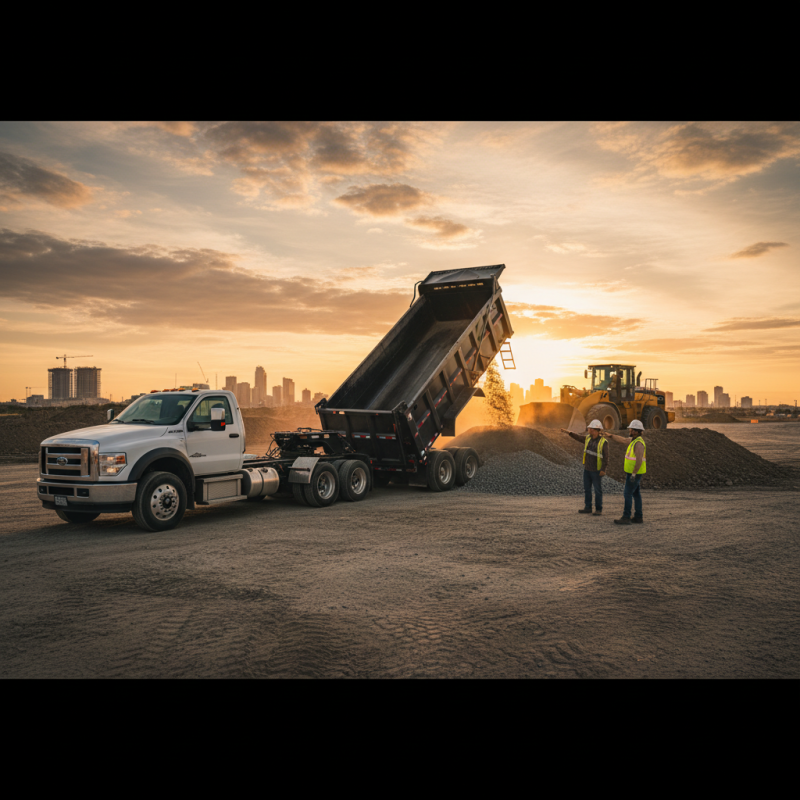
Advantages of Using Dump Trailers in Construction and Landscaping
Dump trailers have become a staple in construction and landscaping due to their practical advantages. These trailers offer a unique solution for transporting heavy loads like soil, gravel, and debris. Their ability to easily unload materials at job sites enhances efficiency. This saves time compared to traditional methods like hand unloading or using standard trailers.
In construction, dump trailers allow for quick removal of waste materials. Imagine a busy site where excess dirt needs to be cleared rapidly. A dump trailer can eliminate piles of debris in minutes, allowing teams to focus on their project. In landscaping, these trailers provide a simple way to deliver mulch and plants. The hydraulic lift mechanism helps with easy offloading, reducing physical strain on workers.
However, businesses must consider their specific needs. Not all tasks require a dump trailer, and over-reliance can lead to increased costs. Assessing the type of projects is crucial before investing. Understanding the specific requirements can lead to better equipment choices. By weighing the pros and cons, businesses can find the right balance.
Key Specifications and Features of Dump Trailers for Efficiency
Dump trailers serve versatile roles for businesses in construction and landscaping. Their design features robust frames and strong hydraulic systems, maximizing load capacity and efficiency. Research indicates that using a dump trailer can improve material handling speed by nearly 30% compared to traditional methods. This can significantly impact project timelines and overall productivity.
Key specifications of dump trailers include payload capacities ranging from 5,000 to 14,000 pounds. The choice of trailer depends on the materials transported. Many models come equipped with a hydraulic lift feature, streamlining the unloading process. This reduces the physical labor involved, which is crucial in maintaining operational efficiency. However, businesses must regularly evaluate their unique needs to avoid over-specifying their trailers.
Durability is another essential feature. Dump trailers often utilize galvanized steel or aluminum construction. These materials can resist corrosion and withstand heavy use. Data from industry reports suggest that well-maintained trailers have a lifespan exceeding 15 years. Nonetheless, regular maintenance is vital to ensure optimal performance and extend longevity. Neglecting minor repairs can lead to significant issues down the road.
Cost-Effectiveness: Analyzing Dump Trailer Investment Returns
When considering equipment for construction or landscaping projects,
dump trailers often stand out. They blend versatility and practicality,
making them suitable for various business needs. The unique design allows for easy unloading of materials
like dirt, debris, or gravel. This feature can save substantial time on a job site, enhancing productivity.
Analyzing investment returns is crucial. While dump trailers have an upfront cost, businesses often find them
cost-effective over time. The reduced labor for unloading materials can lead to lower wage expenses.
Additionally, their durability means they can last for years, which minimizes repairs and replacements.
However, it’s essential to consider maintenance. Neglecting proper care
could lead to unexpected expenses, which might negate some of the initial cost benefits.
Choosing a dump trailer is not without its challenges. Depending on the size and capacity needed,
the initial investment varies significantly. Assessing the specific needs of your business is key.
Look at your typical hauling requirements and frequency. Understanding these factors will guide you in
making a more informed decision. Balancing cost against potential returns may seem daunting,
but proper research can lead to sound investments.
Safety Standards and Regulations for Dump Trailers in the Industry
Choosing a dump trailer for your business brings many benefits. However, understanding safety standards and regulations is crucial. These guidelines ensure that trailers are safe for transport and use on construction sites.
Safety regulations may vary by state. Always check local laws. A well-maintained dump trailer must meet certain structural standards. These standards often include weight limits and brake systems. Ignoring these can lead to accidents and potential fines.
Tips: Regular inspections are essential. Check for any signs of wear and tear. Ensure the braking system functions correctly. Always ensure that ramps and securing tools are in good condition, as neglect can jeopardize safety.
Many operators overlook the importance of training. Proper handling of a dump trailer can prevent injuries. Make sure drivers are trained to follow safety protocols. Knowledge of load distribution is vital for stability. Trailers that are overloaded can tip over, leading to serious accidents.
Safety and compliance are more than just checkboxes. They protect lives and assets. Your reputation as a reliable business hinges on safe operations.
Why Choose a Dump Trailer for Your Business Needs? - Safety Standards and Regulations for Dump Trailers in the Industry
| Feature |
Description |
Safety Standard |
Regulatory Body |
| Load Capacity |
Typically ranges from 5,000 to 25,000 lbs |
Compliance with load limits |
DOT (Department of Transportation) |
| Brake System |
Electric or hydraulic brake systems |
Must pass braking efficiency tests |
FMVSS (Federal Motor Vehicle Safety Standards) |
| Tire Specifications |
Must use correct load-rated tires |
Tire ratings must meet standards |
DOT |
| Lighting |
All trailers must have functioning lights |
Lights must be in compliance with visibility standards |
FMVSS |
| Safety Chains |
Required for secure connection to towing vehicle |
Must hold weight of the trailer |
State Regulations |
Market Trends: Growth and Demand for Dump Trailers in 2023
The demand for dump trailers is surging in 2023, driven by construction and landscaping sectors. According to market data, the global dump trailer market is projected to grow at a CAGR of 4.5% over the next five years. This growth indicates a strong recovery in various industries that rely on these versatile trailers. As infrastructure projects ramp up, the need for efficient material transport solutions has never been clearer.
Tip: Assess your specific business needs before choosing a dump trailer. Consider weight capacity, dimensions, and intended use to maximize efficiency.
Many businesses are transitioning to dump trailers due to their functionality. They offer flexibility, allowing quick unloading of various materials like gravel and debris. Their design minimizes labor costs while enhancing productivity. However, not all trailers are created equal. Some may lack the durability or capacity needed for heavy-duty tasks. Evaluating different models can prevent costly mistakes.
Tip: Regular maintenance is key to long-lasting performance. Neglect can lead to more significant issues down the line, impacting your operations.
Investing in a dump trailer can be daunting. However, aligning it with market trends can yield substantial returns. Evaluating these aspects ensures your business stays competitive in a growing market landscape.
Market Trends: Growth and Demand for Dump Trailers in 2023
FAQS
: Dump trailers offer versatility for construction and landscaping tasks. They save time by allowing easy unloading of materials.
Initially costly, dump trailers can reduce labor expenses over time. Their durability minimizes repair costs and increases overall savings.
Regular maintenance is essential. Neglecting care can lead to unexpected expenses and reduce cost-effectiveness over time.
Assess your hauling needs. Consider volume and frequency of use to determine the appropriate trailer size and capacity.
Yes, safety standards vary by state. Trailers must meet structural standards, including weight limits and functioning brake systems.
Inspect for wear and tear, ensure brakes work, and check the condition of ramps and securing tools for safety.
Proper driver training prevents injuries. Understanding load distribution is crucial to avoid tipping accidents during use.
Adhering to safety regulations protects lives and assets. It also helps maintain a reliable business reputation in the industry.
Conclusion
The article "Why Choose a Dump Trailer for Your Business Needs?" explores the numerous advantages of utilizing dump trailers in construction and landscaping. With their enhanced efficiency, these trailers are designed with key specifications that streamline operations, making them an essential asset for businesses. The cost-effectiveness of dump trailers is also highlighted, showcasing their potential for high return on investment when used for transporting materials and debris.
Furthermore, the piece dives into safety standards and regulations essential for ensuring compliance within the industry, underscoring the importance of maintaining safe operating practices. Lastly, market trends indicate a growing demand for dump trailers in 2023, suggesting that investing in this equipment could be a strategic move for businesses looking to thrive in the competitive landscape. Overall, dump trailers are positioned as a practical solution for various business needs, maximizing both efficiency and profitability.
 Shodailer
