Choosing the right enclosed trailer can significantly impact your transporting needs. An enclosed trailer protects your cargo from the elements. This feature makes them ideal for transporting vehicles, equipment, or even personal belongings.
When selecting an enclosed trailer, consider size and weight capacity. A trailer that’s too small may not accommodate your items. On the other hand, an oversized trailer could lead to unnecessary expenses. Think about the specific requirements of your transport needs.
Quality and durability also play crucial roles in your decision. Not all trailers are built the same way. Some offer better structural integrity than others. Research different brands and read reviews. This step ensures you make an informed choice. Understanding these factors can lead you to the enclosed trailer that best fits your lifestyle and budget.
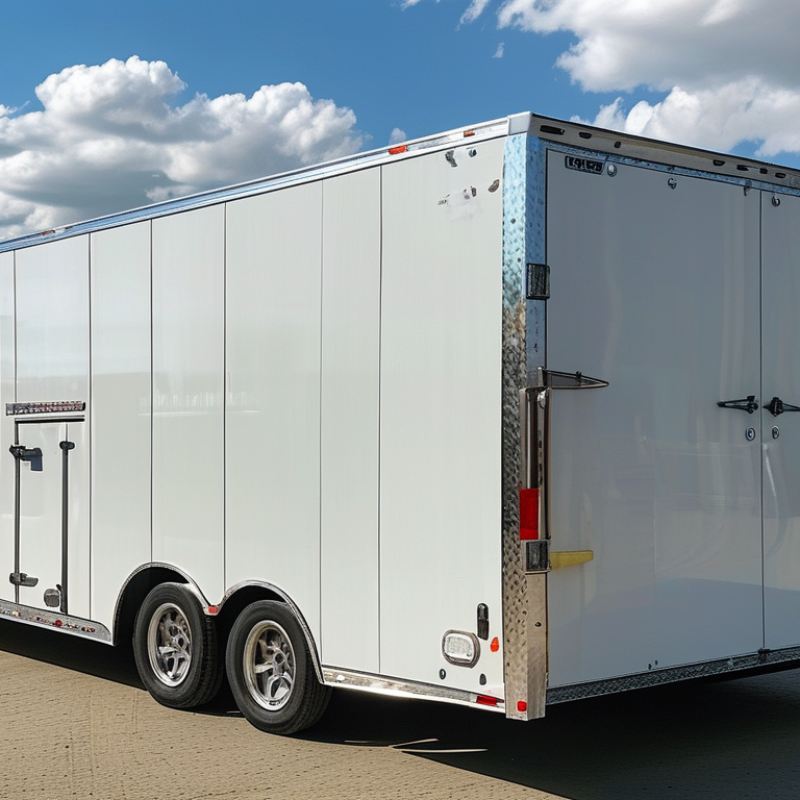
Choosing the right enclosed trailer requires a clear understanding of your needs. Consider what you will be transporting. Different trailers cater to various types of cargo. A lightweight model may work for smaller items, while a more robust trailer is essential for heavy loads. Assess the weight capacity carefully. Ignoring this can lead to safety risks.
Dimensions also play a crucial role. Measure the items you plan to haul. Ensure they fit comfortably within the trailer. This avoids damage and makes loading easier. If you're unsure about specific measurements, consult with a professional to avoid costly mistakes.
Don't overlook the importance of material and construction. Think about the environment in which you'll use the trailer. For instance, if you're often in harsh conditions, you might need tougher materials. Reflect on your long-term needs, too; investing in quality can save money over time. Always stay informed. Researching features like ventilation and access points can make a significant difference in daily use.
When evaluating different types of enclosed trailers, consider your specific needs. Trailers come in various sizes and configurations. Each type serves a unique purpose. For instance, a smaller cargo trailer is great for light loads but may limit versatility. Larger units offer more space. However, they can be cumbersome to maneuver.
Invest in the right features for your activities. If you transport delicate items, choose a model with a temperature-controlled environment. For construction tools, a rugged design with secure storage is key. Remember to think about the weight capacity. Loading too much can lead to safety issues and damage to the trailer.
Reflect on your towing vehicle as well. Ensure it can handle the trailer's weight effectively. Poor compatibility can lead to accidents on the road. If you're uncertain, asking professionals for advice can be beneficial. This allows you to avoid costly mistakes. Analyze your options carefully for the best outcome.
| Type of Enclosed Trailer | Dimensions (ft) | Payload Capacity (lbs) | Common Uses |
|---|---|---|---|
| Standard Enclosed Trailer | 12 x 6 | 2,000 | General Cargo |
| Car Hauler Trailers | 16 x 8 | 5,000 | Transporting Vehicles |
| V-Nose Enclosed Trailer | 14 x 7 | 3,500 | Cargo & Equipment Transport |
| Motorcycle Trailers | 12 x 6 | 1,500 | Transporting Motorcycles |
| Enclosed Cargo Trailers | 20 x 8 | 7,000 | Moving & Storage |
Choosing the right enclosed trailer involves careful consideration of size and weight capacity. Knowing your cargo's dimensions is essential. Most enclosed trailers come in standard sizes, such as 6x12, 7x14, or 8.5x20 feet. However, each option serves different purposes. For example, a 6x12 trailer typically accommodates smaller loads, while larger options can handle bulky equipment.
Weight capacity is equally crucial. A standard enclosed trailer can have a Gross Vehicle Weight Rating (GVWR) between 3,000 to 10,000 pounds. It’s vital to assess what you'll carry. If you plan to transport heavy machinery, consider trailers at the upper end of the weight spectrum. Neglecting this can lead to safety issues or even legal penalties. Proper balance between trailer size and weight capacity ensures smoother towing and increased longevity of the trailer.
Additionally, the National Association of Trailer Manufacturers (NATM) reports that under-loading or overloading trailers can negatively impact tire health and braking performance. Ignoring these factors may lead to costly repairs or hazardous driving conditions. It’s important to be honest about your requirements when selecting an enclosed trailer. Balancing size, weight, and load safety can make a significant difference in your hauling experience.
When choosing an enclosed trailer, features and customization options play a crucial role in meeting your specific needs. One significant aspect to consider is the size of the trailer. It should be spacious enough to accommodate your cargo comfortably, yet not too large for your towing vehicle. Standard sizes vary, but it’s essential to assess what you regularly transport. A mismatch can lead to efficiency issues.
Thinking about the materials used in the trailer's construction is vital. Aluminum trailers are lightweight and resistant to rust, while steel frames provide added durability. This choice affects not only the longevity of the trailer but also its maximum load capacity. More weight can sometimes mean more strength, but reflect on how it impacts fuel consumption.
Customization options can enhance functionality. Shelving, E-tracks, and extra tie-down points can optimize cargo stability. While it might be tempting to opt for every available feature, it’s crucial to prioritize what genuinely fits your needs. Reflect on the long-term utility. Will you outgrow a specific configuration in a few years? Assess your routine, as this can prevent decision fatigue and lead to a more satisfactory choice.
When budgeting for an enclosed trailer, start by assessing your needs. Consider the size and weight capacity you'll require based on your intended use. Smaller trailers can be more affordable, but they might not meet your needs in the long run. Identify features that matter most. Think about storage options, ventilation, and if you need custom modifications. These factors can significantly influence the total cost.
Financing options for your trailer purchase vary widely. Many buyers explore loans, with terms ranging from a few months to several years. Aim for a loan that fits your budget while considering interest rates. A larger down payment can reduce monthly expenses. However, not everyone can afford that. Balance your financing strategy by factoring in potential maintenance costs and insurance premiums.
Don't hesitate to revisit your budget as prices and needs can fluctuate. Rarely do buyers get everything right on the first try. It’s crucial to leave room for unexpected expenses. Reflect on your choices regularly to ensure your investment remains practical and aligns with any changing requirements you may have.
: Assess the size and ensure it accommodates your cargo without being too large for your towing vehicle.
Aluminum is lightweight and rust-resistant. Steel offers durability but can impact fuel consumption due to added weight.
Focus on features that enhance stability, like shelving and tie-down points. Avoid adding unnecessary options.
Evaluate your needs regarding size, weight capacity, and essential features to start budgeting effectively.
Explore loans with varying terms and interest rates. A larger down payment may reduce your monthly payments.
Very important. Prices and personal needs can change, so allow room for unexpected expenses in your budget.
Often, buyers miss some details initially. Regularly reflecting on your choices helps adjust for practical long-term use.
Always factor in potential maintenance and insurance expenses as they can significantly impact your long-term budget.
Before finalizing features, consider if they will still meet your needs in a few years. This reflection can prevent regret.
It can lead to wasted money and inefficient use of space. Carefully assess what truly enhances your trailer’s functionality.
Choosing the right enclosed trailer is crucial for meeting your specific needs. Start by understanding what you require from an enclosed trailer, including the types of cargo you plan to transport and any particular features you might need. Evaluate the different options available, as enclosed trailers come in various styles suited for different purposes, from hauling vehicles to storing equipment.
It's important to assess the size and weight capacity of the trailer to ensure it can safely accommodate your cargo. Additionally, consider the various features and customization options available, such as interior shelving or exterior finishes, that can enhance functionality. Finally, budgeting and financing are key aspects of your purchase, so explore different options that fit within your financial plan. By carefully considering these factors, you can select the ideal enclosed trailer that aligns with your requirements.

Shodailer