
How to Choose the Best Cargo Trailer for Your Needs?

Time:2026-08-31 Author:Sophia
0%

Choosing the right cargo trailer is critical for anyone looking to transport goods efficiently. According to industry expert John Smith, “The best cargo trailer will adapt to your unique needs.” With so many options available, it can be overwhelming to make the right choice.

When selecting a cargo trailer, consider what you plan to carry. Will it be heavy equipment or delicate items? Each cargo type requires a different trailer design. Also, think about the trailer size. A trailer that's too small can limit your capacity. On the other hand, one that's too large may complicate towing.

Budget is another important factor. High-quality cargo trailers can be costly, but cheaper options may not endure long-term use. It's essential to think about long-term value versus initial price. After all, a reliable cargo trailer can save you money and trouble in the long run. Reflecting on these aspects will help you make an informed choice and find the best cargo trailer for your needs.
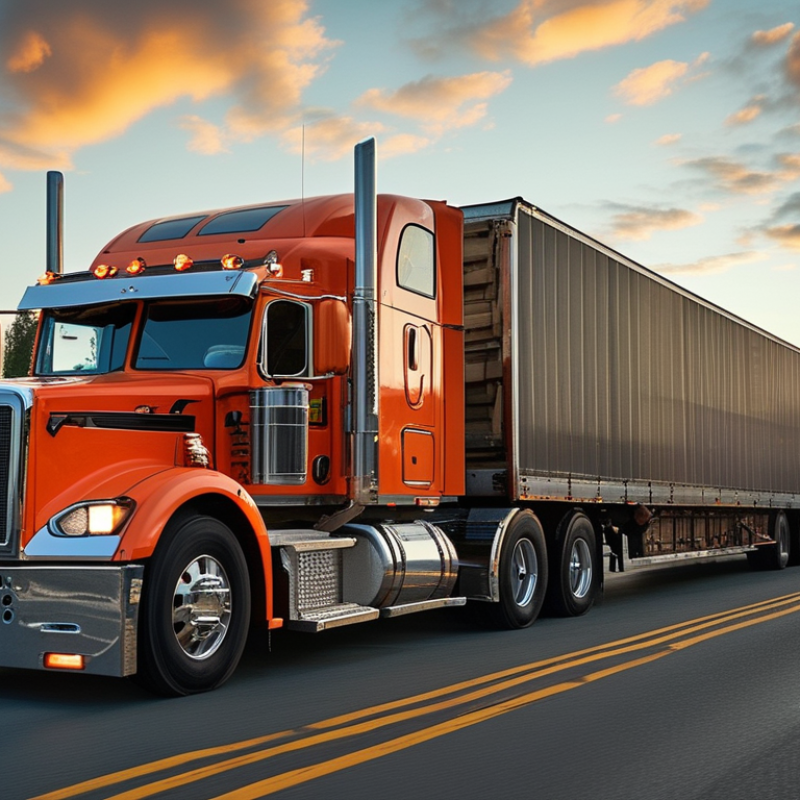
How to Choose the Best Cargo Trailer for Your Needs?

Understanding Different Types of Cargo Trailers Available on the Market

When exploring cargo trailers, familiarity with various types is essential. Open trailers are popular for their accessibility. They are suitable for transporting bulky items like furniture or equipment. Their design allows easy loading and unloading, which is practical for frequent use.

Enclosed trailers offer more protection for your cargo. They can safeguard items from weather elements and theft. This type is ideal for transporting sensitive items like electronics. Buyers must consider the trailer's size and weight capacity as well. Overloading can lead to safety issues.

Dump trailers are a specialized option for construction or landscaping projects. These trailers have hydraulic systems for unloading materials effortlessly. While they come with benefits, they may be heavier and less versatile than other types. Think about what you'll transport most often and reflect on how that shapes your choice. Finding the perfect cargo trailer involves weighing your specific needs carefully.

Types of Cargo Trailers and Their Popularity

Assessing Your Cargo Needs: Weight, Size, and Purpose Considerations

Choosing the right cargo trailer requires careful assessment of your needs. Start with weight considerations. Think about what you plan to haul. Knowing the weight helps you select a trailer that won't strain your vehicle. Overloading can lead to accidents or damage, so it's crucial to strike a balance.

Next, consider size. Think about your items' dimensions. A trailer that is too small won't fit your cargo, while an oversized one can be unwieldy. Reflect on the types of items you need to transport regularly. Are they large, bulky items or multiple smaller parcels? This determines the trailer's configuration.

Finally, evaluate the purpose. Is it for business or personal use? Each scenario has unique demands. Frequent users may need a more durable option. Casual users might prioritize affordability. Understanding how you'll use the trailer informs your choice. Take time to research different types, but remember that what works for one person might not suit another. It’s okay to find flaws in your initial choice; this is part of the learning process. Each review of your selection can refine your ultimate decision.

Key Features to Look for in a High-Quality Cargo Trailer

When selecting a cargo trailer, consider the essential features that align with your needs. Start with the material. Many trailers use steel or aluminum. Steel is sturdy but can weigh more. Aluminum is lighter and resists rust, but may not offer the same durability. Choose according to your specific usage, whether for heavy equipment or light loads.

Payload capacity is crucial. Make sure the trailer can handle the weight of your cargo. Review the manufacturer's weight limits. Exceeding these can lead to safety hazards. Also, pay attention to the trailer's braking system. Electric brakes offer better control than surge brakes, especially for heavier loads.

Ventilation is often overlooked. If you transport perishables, ventilation keeps items fresh. Look for trailers with adjustable vents. Lastly, think about ramps. A good ramp makes loading and unloading easier. Don’t ignore these details; they truly enhance your experience with the trailer. Each feature plays a role in ensuring reliability throughout your journeys.

Budgeting for Your Cargo Trailer: Costs Beyond the Initial Purchase

When budgeting for a cargo trailer, it’s essential to consider costs beyond the initial purchase price. Many buyers focus solely on the upfront cost but overlook long-term expenses. According to industry reports, maintenance can account for 10-15% of a trailer's initial cost annually. Regular inspections, tire replacements, and brake servicing add to your budget.

Insurance is another significant factor. The average annual premium for cargo trailers ranges from $150 to $300, influenced by factors like size and usage. Additionally, registration fees may vary by state, sometimes reaching up to $150. These costs can quickly accumulate, impacting your overall budget.

Fuel consumption should not be ignored either. Trailer weight affects your vehicle's fuel efficiency. A heavier cargo trailer may decrease fuel economy by 20-30%. It's critical to calculate the towing capacity of your vehicle to avoid overloading. Misjudgments here can lead to costly repairs and safety hazards. Be prepared to adjust your financial plans to accommodate these potential expenses. Understanding these additional costs can lead to more informed and confident purchasing decisions.

Maintenance Tips for Extending the Life of Your Cargo Trailer

Regular maintenance is essential to extend the life of your cargo trailer. Start with routine inspections. Check the tires for wear and proper inflation. A flat tire can lead to accidents and costly repairs. Inspect the trailer’s brakes and lights regularly, ensuring they function correctly. This not only enhances safety but also prevents fines.

Cleaning is another crucial aspect. After every trip, wash the trailer to remove dirt and debris. Use mild soap and water; harsh chemicals can damage the finish. Apply a protective sealant when necessary. This helps in resisting rust and corrosion. Pay special attention to the floor. It’s often overlooked but can suffer from leaks and heavy loads.

Lubrication is vital too. Grease moving parts like axles and hinges. This helps in smooth operation and can prevent wear over time. Neglecting lubrication might lead to rust or grinding noises, a sign of potential failure. Regularly check the electrical connections and battery condition. Faulty connections can cause issues during transport. Making these small efforts can significantly improve your trailer's performance and longevity.

FAQS

: What types of cargo trailers are available?

: There are open, enclosed, and dump trailers. Each serves different purposes.

Why choose an open trailer?

Open trailers are easy to load and unload. They are good for bulky items.

What advantages do enclosed trailers offer?

Enclosed trailers protect cargo from weather and theft. They suit sensitive items like electronics.

What is a dump trailer?

Dump trailers are for construction or landscaping. They use hydraulic systems to unload materials.

How much maintenance do I need to budget for?

Maintenance costs can be 10-15% of the trailer's purchase price annually. Regular checks are crucial.

What about insurance costs for trailers?

Insurance generally costs between $150 and $300 yearly. It varies based on size and use.

How do fuel costs affect towing?

A heavier trailer can decrease fuel economy by 20-30%. Always check your vehicle's towing capacity.

Are there registration fees for trailers?

Yes, registration fees differ by state and can reach up to $150. Include this in your budget.

What should I consider before buying a trailer?

Reflect on what you transport most. Understanding your needs shapes your choice of trailer.

Can I overlook long-term trailer costs?

It's a mistake to ignore long-term expenses. They can add up and impact your overall budget.

Conclusion

When selecting the best cargo trailer for your needs, it's essential to understand the various types available on the market. Different trailers serve unique purposes, so assessing your cargo requirements—considering aspects such as weight, size, and intended use—is crucial. Furthermore, key features like build quality, towing capacity, and safety elements should be prioritized to ensure you choose a high-quality cargo trailer.

Budgeting is also an important aspect, as costs extend beyond the initial purchase price, including insurance, registration, and maintenance. To maximize your investment, it's wise to implement regular maintenance practices, which can significantly extend the lifespan of your cargo trailer. By carefully evaluating your needs and considering these factors, you can make an informed decision that will serve you well for years to come.

Sophia

Sophia

Sophia is a dedicated marketing professional with an exceptional depth of knowledge about her company's products and services. With a keen understanding of market trends and customer needs, she crafts insightful blog posts that not only inform but also engage readers, enriching the company’s online......