
Choosing the right End Dump Trailer is crucial for efficiency and safety. As industry expert John Anderson emphasizes, "Selecting the right trailer can make or break your operations." His insight reflects the challenges faced by many in the construction and transportation sectors.
End Dump Trailers serve various purposes, from hauling aggregates to managing debris. Each task demands specific features. For example, some trailers are designed for heavy-duty loads, while others prioritize maneuverability. Understanding your specific needs is vital.
Compromises arise during selection. An operator may prefer lightweight trailers for ease but sacrifice durability. Balancing these factors is essential. Assessing the trailer’s materials, capacity, and compatibility with your vehicle can lead to better decisions. Making informed choices ensures that you invest wisely in an End Dump Trailer that suits your operational requirements.
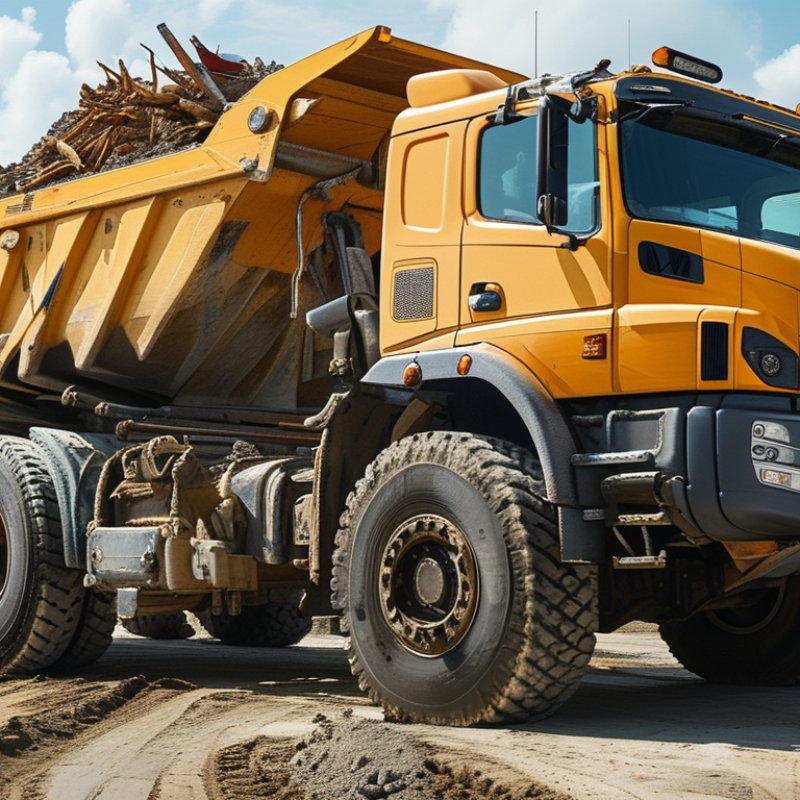
Choosing the right end dump trailer can greatly impact your operations. Understanding the different types available is crucial. Typically, you can find three main designs:
low-profile,
standard,
and
robust models.
Low-profile trailers are easier to load. They suit light to medium-duty hauling needs.
Standard end dump trailers are versatile. They can carry a variety of materials, from aggregate to construction debris. This flexibility makes them popular among many contractors. Robust end dump trailers are designed for heavy-duty tasks. They are ideal for sites where durability and strength are essential.
Each type has its unique features. Low-profile trailers often have a lower center of gravity, allowing for better stability. However, their capacity may be less than standard models. In contrast, robust trailers might seem more reliable but can require more maintenance. Choosing the right model involves assessing your specific hauling needs. It may not be a straightforward decision, and every option has its trade-offs.
When selecting the best end dump trailer, several factors deserve your attention. The first key factor is payload capacity. Ensure the trailer can handle the materials you plan to transport. Typical end dump trailers can carry between 8 to 20 tons. Consider your specific needs; overloading could lead to safety issues.
Material choices are also critical. Trailers made from high-strength steel are durable. However, aluminum options are lighter and offer good corrosion resistance. Evaluate the types of loads you frequently handle. If your loads are abrasive, a tougher material may be necessary.
**Tips:** Look for trailers with a low center of gravity to improve stability. This reduces tipping risks, especially when dumping. Additionally, check for effective hydraulic systems. A reliable lift mechanism makes operation smoother and safer.
Lastly, think about the trailer's design features. A well-designed end dump trailer includes robust tailgates and efficient discharge mechanisms. However, aesthetics shouldn't overshadow functionality. Sometimes, basic trailers outlast their flashier counterparts. Assess your long-term needs cautiously; avoid impulsive decisions.
| Factor | Description | Importance Level |
|---|---|---|
| Payload Capacity | How much weight the trailer can carry safely. | High |
| Material | The material of the trailer affects durability and weight. | Medium |
| Length and Height | Dimensions determine what can be carried and how it fits into loading areas. | High |
| Axle Configuration | Number of axles affects stability and weight distribution. | Medium |
| Hydraulic System | Type and efficiency of the hydraulic system can affect dumping speed. | High |
| Tire Quality | Quality of tires impacts road performance and durability. | Medium |
| Price | Overall cost vs. features must be balanced according to budget. | High |
When selecting an end dump trailer, assessing your cargo and weight requirements is crucial. The type of materials you intend to transport can significantly impact your choice. For instance, materials like gravel, sand, or asphalt have varying densities, affecting payload capacity. The average end dump trailer carries around 14 to 16 tons, but payloads can range considerably based on construction. Understanding the specifics of your cargo will help ensure you choose a trailer that maximizes efficiency and safety.
Another vital consideration is the weight distribution of your loads. Properly distributing weight can prevent trailer sway and improve handling. Reports indicate that improper loading can reduce stability by up to 30%. Even slight imbalances can lead to accidents. This risk highlights the importance of accurate weight calculations prior to transport. Additionally, local regulations often dictate maximum weight limits, which can vary from state to state, adding another layer of importance to your assessment process.
Ultimately, knowing the exact requirements of your projects will help you make informed decisions. Consider factors such as the types of materials, total weight, and compliance with legal limits. This information not only enhances safety but also contributes to successful transport operations. A well-informed choice is foundational for long-term efficiency and reliability in your hauling endeavors.
When evaluating the durability and build quality of end dump trailers, focus on materials. Steel and aluminum are common choices. Steel often offers superior strength, especially for heavy loads. However, aluminum is lighter, which can enhance fuel efficiency. Consider the specific demands of your tasks when selecting the material.
Welds play a crucial role in a trailer’s longevity. Inspect the joints carefully. Quality welding can prevent structural failures. Look for signs of rust or corrosion, which can reduce the trailer’s lifespan. The design of the trailer should also allow for easy repairs. If maintenance is challenging, it may lead to costly downtime.
Keep in mind that even the best trailers can face wear and tear. Regular inspections help maintain performance. Pay attention to the suspension system and tires, as these components impact handling and safety. A robust trailer with subpar tires may not meet your expectations. Reflect on your needs and choose wisely.
When considering the purchase of an end dump trailer, budgeting is a critical aspect. The average price for a new end dump trailer ranges from $30,000 to $50,000, depending heavily on the size, materials, and features. A recent industry report reveals that 70% of buyers prioritize initial cost over long-term value. This can lead to regrettable decisions. Skimping on quality might save money upfront but can result in higher maintenance costs later.
It’s essential to account for additional costs beyond the purchase price. Funding should also include freight charges, insurance, and registration fees. Maintenance costs for an end dump trailer typically range from $1,000 to $3,000 annually. Depending on usage, these expenses can dramatically increase. According to data from the American Trucking Association, proper maintenance can reduce operational downtime by up to 25%.
A well-planned budget should consider financing options too. Many buyers avoid financing due to interest rates. However, not utilizing financing may restrict purchasing power. Ultimately, aligning your budget with realistic expectations will help ensure you select a trailer that meets your operational needs and financial capacity. Reflect carefully to avoid common pitfalls that many new buyers face.
: Ensure the trailer can handle your materials. Typical capacity ranges from 8 to 20 tons. Overloading can cause safety issues.
High-strength steel is durable, while aluminum is lighter and resists corrosion. Evaluate your loads' nature to choose effectively.
It improves stability, reducing the risk of tipping while dumping. Choose trailers designed for safer operation.
Look for robust tailgates and effective discharge mechanisms. Functionality should take precedence over visual appeal.
New trailers typically cost between $30,000 and $50,000, depending on size and features. Consider hidden costs too.
Include freight charges, insurance, and registration fees in your budget. Maintenance can cost $1,000 to $3,000 annually.
Proper maintenance can reduce downtime by up to 25%. Skipping maintenance may lead to costly repairs.
Financing can expand your purchasing power. However, consider interest rates carefully to avoid future regrets.
Rushing may lead to selecting a trailer that doesn't meet needs. Take time to reflect on your requirements.
Choosing the best End Dump Trailer involves understanding the various types available and assessing key factors to ensure it meets your specific needs. Different designs cater to diverse cargo loads and operational environments, so it's crucial to evaluate your requirements carefully. Considerations such as trailer durability and build quality are essential for ensuring longevity, as a well-constructed trailer will withstand the rigors of heavy-duty use.
Additionally, assessing your cargo and weight requirements will guide you in selecting a trailer with the proper capacity and features. Budgeting is another significant aspect to factor in, as costs can vary widely based on the trailer's specifications and capabilities. By taking these elements into account, you can make an informed decision that aligns with your operational demands and financial constraints.

Shodailer