
How to Choose the Best Small Enclosed Trailer?

Time:2026-09-30 Author:Oliver
0%

Choosing the best Small Enclosed Trailer is not simply about finding the lowest price. It is about matching the trailer to your vehicle, cargo, roads, and daily habits. Mark Polk, a respected RV education specialist, often reminds buyers, “The best RV is the one that fits your needs, your budget, and your tow vehicle.” That principle also applies to enclosed trailers. A trailer may look compact and convenient, yet its loaded weight can challenge a small SUV or pickup.

Begin with real cargo, not imagined cargo. Measure the longest item, such as a motorcycle, lawn mower, tool chest, or stack of storage bins. Leave extra height for handles and tie-downs. A 5-by-8-foot model may suit light equipment, while a 6-by-12-foot trailer offers more working room. Bigger is not always better. It can reduce fuel economy and make narrow parking areas frustrating.

Pay attention to the axle rating, payload, coupler, brakes, tires, ventilation, and interior height. Inspect the floor for soft spots. Check whether the ramp door feels heavy but balanced. Ask about warranty coverage and replacement parts. These details reveal how seriously a manufacturer supports its product. Still, every buyer can miss something. I have seen people measure the cargo perfectly but forget the garage doorway. That mistake is expensive and avoidable.

A reliable Small Enclosed Trailer should feel stable when loaded correctly. Choose sensible capacity, durable construction, and features you will actually use. Your final decision should reflect evidence, not excitement.
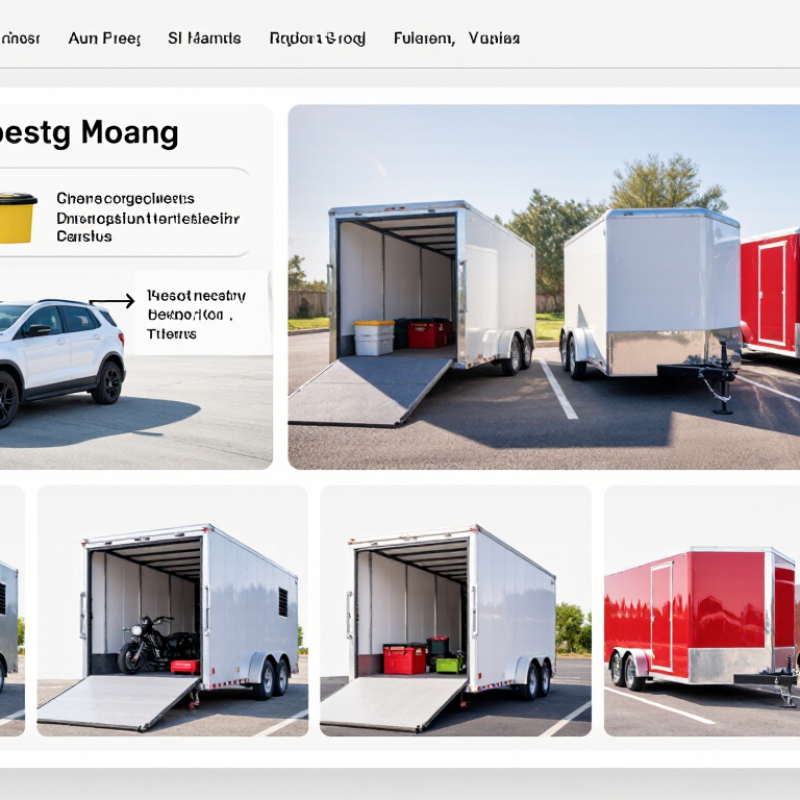
How to Choose the Best Small Enclosed Trailer?

Understanding What a Small Enclosed Trailer Is

How to Choose the Best Small Enclosed Trailer?

Understanding what a small enclosed trailer is makes choosing one much easier. It is a compact, towable cargo box with walls, a roof, and lockable access doors. Unlike an open utility trailer, it protects tools, luggage, equipment, and household items from rain, road dust, and direct sunlight.

Most small models measure roughly 4 to 7 feet wide and 6 to 12 feet long, although internal space varies. A few inches can change how easily bulky items fit.

Start with your actual cargo, not an imagined future load. Measure the longest item, then allow space for padding and movement. Check the trailer’s payload rating, axle capacity, and interior height. Your tow vehicle must also support the loaded trailer comfortably. Correct tongue weight matters because poor balance can create unstable handling. Keep heavier items low and slightly forward of the axle, while avoiding excessive weight at the front.

Construction details reveal daily reliability. Look for a sealed roof, sturdy floor, corrosion-resistant fasteners, and doors that close evenly. Interior tie-down points are valuable when cargo shifts during braking. Ventilation may help prevent condensation, especially after carrying damp equipment. Lights, tires, brakes, and safety chains deserve careful inspection before every trip. It is easy to overlook these small parts. I would also recheck the measurements after loading; my first estimate would not always be right. A trailer that feels spacious when empty can become awkward once shelves, ramps, or protective cases occupy the interior.

Identifying Your Cargo, Towing Vehicle, and Usage Needs

Choosing a small enclosed trailer starts with your cargo, not the trailer’s advertised size. List every item, then weigh it, including shelves, flooring, straps, and spare tires. A 5-by-8-foot trailer may hold garden tools, cartons, or a compact motorcycle, but usable payload can shrink quickly. The Bureau of Transportation Statistics reports that trucks move most domestic freight by weight, reinforcing one practical lesson: accurate cargo estimates matter.

Measure bulky items before shopping. A 48-inch cabinet may fit inside, while its door swing and tie-down space create problems. Keep heavy cargo low and near the axle. NHTSA towing guidance commonly recommends a tongue weight near 10–15% of the loaded trailer weight. Check your vehicle manual, hitch rating, receiver limit, and maximum combined weight. Never rely on the trailer’s empty weight alone.

Your usage also changes the choice. Frequent highway trips may justify electric brakes, radial tires, interior lighting, and better weather sealing. Short local trips might need less equipment. The U.S. Department of Energy notes that towing can reduce fuel economy, although the effect varies with load, speed, terrain, and aerodynamics. I have learned to leave spare capacity. My first estimates were too optimistic. Recheck the scale numbers after loading, because one dense toolbox can change the balance more than expected.

Comparing Trailer Size, Construction, and Essential Features

How to Choose the Best Small Enclosed Trailer?

Trailer size should match your real cargo, not your imagined future needs. Measure the longest item, then add space for padding and movement. A 5-by-8-foot trailer may suit tools, camping gear, or small furniture. Check the interior height carefully. A low roof can make loading awkward. Also confirm the payload rating, axle capacity, and towing limits of your vehicle. An overloaded trailer handles poorly and wears tires faster.

Construction affects durability and daily comfort. Look for a rigid frame, sealed roof joints, and a floor that resists moisture. Plywood floors are practical, but thicker flooring handles concentrated weight better. Inspect the ramp or rear doors in person. They should open smoothly without flexing. Essential features include interior tie-down points, ventilation, secure latches, exterior lighting, and balanced weight distribution. Brakes may be required or strongly recommended, depending on trailer weight and local rules. Materials matter, but poor assembly can still cause problems.

Tips: Place heavier cargo low and near the axle. Leave a small air gap around stored equipment. Check tire pressure before every long trip. I have seen owners focus on shiny panels while ignoring weak hinges. That is an expensive mistake. I would also inspect welds, fasteners, and water marks after rain. A short test drive can reveal rattles that a showroom inspection misses.

Checking Safety, Compatibility, and Legal Requirements

How to Choose the Best Small Enclosed Trailer?

Safety begins with the trailer’s real payload, not its empty appearance. Check the plate for gross vehicle weight and maximum cargo capacity. Inspect the frame, coupler, safety chains, tires, wheels, and lighting before every trip. The doors should latch firmly and remain secure over rough pavement. Confirm that the trailer has suitable brakes when your local rules or loaded weight require them. Small defects can become serious quickly. I would still recheck tire pressure after loading, because weight distribution changes handling.

Compatibility matters just as much. Compare the trailer’s loaded weight with your vehicle’s towing limit, hitch rating, and tongue-weight range. Keep heavier items low and near the axle. Too much weight at the rear can cause dangerous sway. Verify the plug connection, mirrors, ground clearance, and opening height. A perfect fit on paper may feel different in traffic.

Tips: Ask the seller for maintenance records and inspect welds for fresh paint or cracking. Measure your parking space before purchase. Check registration, lighting, width, height, and braking requirements with your local transport authority. Rules differ by region, and online advice may be outdated. Confirm whether an inspection, plate, insurance, or special towing equipment is required. Leave extra capacity for unexpected cargo. That small margin is easy to overlook.

How to Choose the Best Small Enclosed Trailer? - Checking Safety, Compatibility, and Legal Requirements

Evaluation Area What to Check Practical Safety or Compatibility Benchmark Why It Matters Action Before Purchase
Trailer Size Interior length, width, height, rear-door opening, and wheel-well location. Allow approximately 150–300 mm of extra length and width around the largest cargo item for loading and tie-down access. Cargo that fits too tightly may be difficult to secure and can contact the walls or doors during travel. Measure the cargo, loading equipment, storage space, and garage or parking clearance.
Gross Vehicle Weight Rating The trailer’s GVWR shown on its certification label or registration documents. GVWR must cover the empty trailer, cargo, accessories, fluids, and tie-down equipment. Exceeding GVWR can overload the frame, axle, tires, brakes, and suspension. Calculate the expected loaded weight and keep a safety margin below the rated limit.
Payload Capacity Payload capacity, also called carrying capacity, listed by the manufacturer or calculated from the ratings. Payload equals GVWR minus the trailer’s actual empty weight. Include all permanently installed options. A small enclosed trailer can lose substantial payload capacity after shelving, ramps, cabinets, or spare equipment are added. Request a current empty-weight measurement if the trailer has optional equipment.
Tow Vehicle Capacity Maximum trailer weight, maximum combined weight, hitch rating, and vehicle payload rating. The loaded trailer must not exceed the lowest applicable limit among the vehicle, hitch, coupler, axle, and tires. The lowest-rated component controls the safe operating limit. Check the vehicle owner’s manual, door-jamb label, hitch label, and trailer certification plate.
Tongue Weight The downward load placed on the hitch ball by the loaded trailer. For many conventional bumper-pull trailers, approximately 10–15% of loaded trailer weight is a common starting range; follow the vehicle and trailer instructions. Too little tongue weight may cause sway, while too much can overload the rear axle and hitch. Position heavy cargo low and near the axle, then measure tongue weight with the trailer loaded.
Hitch and Coupler Ball size, coupler rating, hitch class, mounting hardware, and latch condition. The ball diameter must match the coupler exactly, and every component must meet or exceed the loaded trailer requirements. A mismatched ball or worn latch can allow uncoupling while driving. Verify the markings, inspect for cracks or excessive wear, and test the locking mechanism.
Brakes and Breakaway System Electric or hydraulic brakes, brake controller compatibility, breakaway switch, and battery condition. Brake requirements vary by jurisdiction and trailer weight; many jurisdictions require brakes once a specified weight threshold is exceeded. Brakes improve stopping control and help prevent a separated trailer from continuing freely. Confirm the local threshold and ensure the tow vehicle has the required controller or wiring.
Tires and Wheels Tire load range, speed rating, age, inflation pressure, wheel rating, tread, and sidewall condition. Combined tire capacity on each axle should meet or exceed the axle rating; use the cold pressure specified for the trailer. Underinflation, overloading, or aged tires can cause overheating and failure. Read the date code, inspect for cracking, and replace tires that are damaged or beyond the service guidance provided by the manufacturer.
Lighting and Visibility Tail lamps, brake lamps, turn signals, side markers, reflectors, license-plate illumination, and wiring. All required lamps and reflectors must operate correctly and remain visible when the trailer is loaded. Proper lighting allows other road users to judge the trailer’s width, position, and braking. Perform a complete light test with the trailer connected before every trip.
Safety Chains and Connection Two safety chains or an approved equivalent, attachment points, crossing arrangement, and retaining clips. Chains should be rated for the trailer, attached to designated points, and crossed under the coupler where required or recommended. Chains can help support the drawbar temporarily if the coupler disconnects. Inspect links, hooks, welds, and attachment points for bending, cracks, or corrosion.
Frame and Suspension Frame welds, axle alignment, leaf springs or torsion components, hangers, equalizers, and corrosion. There should be no visible cracks, severe rust perforation, bent members, leaking components, or uneven tire wear. Structural or alignment problems can reduce stability and accelerate tire wear. Have a qualified trailer technician inspect a used trailer before purchase.
Cargo Securement Tie-down rings, rails, floor strength, interior anchor points, and load distribution. Use anchor points rated for the cargo and place heavy items low, centered, and close to the axle without exceeding tongue-weight limits. Unsecured or poorly distributed cargo can shift the center of gravity and cause sway. Confirm that the floor and tie-down points can withstand the expected cargo forces.
Doors, Ramp, and Ventilation Door hinges, latches, seals, ramp rating, roof condition, and ventilation openings. The ramp and door hardware should be rated for the loading equipment and remain securely latched while moving. A failed door can release cargo, while poor ventilation can create heat, moisture, or fume hazards. Inspect seals for water intrusion and use ventilation appropriate for the cargo; never transport hazardous materials without checking applicable rules.
Registration and Identification Vehicle identification number, certification label, title or ownership document, registration, and bill of sale. Identification numbers and weight ratings should match the documents and remain legible. Incorrect or missing documentation can prevent legal registration or create ownership problems. Check the requirements of the jurisdiction where the trailer will be registered before completing the purchase.
Dimensions and Road Rules Overall width, height, length, rear overhang, mirrors, speed limits, and towing restrictions. Legal limits differ by country, state, province, and road type; oversize loads may require permits or additional markings. A trailer can be mechanically safe but still illegal for a particular road or jurisdiction. Confirm local dimensional, lighting, mirror, speed, and permit rules before towing.
Final Selection Standard Safety condition, tow-vehicle match, intended cargo, legal compliance, maintenance needs, and total ownership cost. Choose the smallest trailer that safely accommodates the cargo while keeping all ratings, connection components, and legal requirements within limits. A correctly matched trailer is easier to control, more economical to operate, and less likely to suffer premature wear. Complete a loaded test drive in a controlled area and recheck wheel nuts, tire pressure, lights, latches, and tie-downs before highway travel.

Note: Legal requirements for trailer brakes, registration, lighting, dimensions, permits, and safety equipment vary by jurisdiction. Confirm the current rules with the relevant transport or motor-vehicle authority before use.

Evaluating Costs, Maintenance, and Long-Term Value

A small enclosed trailer’s price is only part of its cost. Compare the purchase price with registration, insurance, and likely repair expenses. Check the axle rating against the loads you expect to carry, not just the trailer’s exterior size. A unit that is too small may require extra trips. One that is too large can add unnecessary weight and fuel use. Measure your usual cargo before shopping.

Tips: Inspect the floor, roof seams, door hinges, and tire condition. Ask how often the wheel bearings need service, and include that work in your budget. A quick look is not enough; bring a flashlight and check beneath the floor edges. Small details matter.

Long-term value depends on how well the trailer suits your routine and how easy it is to maintain. A simple interior may cost less to repair than built-in features you rarely use. Look for accessible lights, common tire sizes, and replaceable seals. Even careful estimates miss things, so leave room in your budget for wear items. A low purchase price can still be a poor deal if leaks, rust, or frequent repairs appear early.

FAQS

What is a small enclosed trailer?

It is a compact cargo box with walls, a roof, and lockable doors. It protects tools, luggage, and household items from rain, dust, and sunlight. Common dimensions range from 4 to 7 feet wide and 6 to 12 feet long. Interior space can feel smaller after adding shelves or protective cases.

How should I choose the right trailer size?

Measure your longest and tallest items before shopping. Add room for padding, movement, and future cargo. A few inches matter. Do not choose based only on an empty trailer’s appearance. My first estimate might still be wrong after loading everything.

How do I check towing compatibility?

Compare the loaded trailer weight with your vehicle’s towing limit. Also check the hitch rating and acceptable tongue-weight range. Keep heavy items low and slightly forward of the axle. Too much rear weight can create dangerous sway. A paper match may feel different in traffic.

What safety features should I inspect?

Check the frame, coupler, safety chains, tires, wheels, and lights before every trip. Doors should latch firmly and stay closed on rough pavement. Confirm whether brakes are required for the loaded weight in your area. Inspect tire pressure again after loading. Small faults grow quickly.

What construction details suggest reliable daily use?

Look for a sealed roof, sturdy floor, and corrosion-resistant fasteners. Inspect welds for cracking or suspicious fresh paint. Evenly closing doors can indicate better alignment. Tie-down points help prevent cargo from shifting during braking. Ventilation may reduce condensation from damp equipment.

What legal and registration checks may be necessary?

Requirements differ by region. Ask the local transport authority about registration, lighting, width, height, and braking rules. You may need an inspection, plate, insurance, or additional towing equipment. Online advice can be outdated. Confirm the current requirements before purchase.

What extra costs should I budget for?

Include registration, insurance, repairs, bearing service, tires, and replacement seals. A flashlight helps reveal wear beneath floor edges. A low purchase price may hide leaks, rust, or frequent repairs. Leave some capacity in your budget for unexpected maintenance. Careful estimates miss things.

How can I judge long-term value?

Choose a trailer that fits your routine without unnecessary features. A simple interior may cost less to repair. Accessible lights, common tire sizes, and replaceable seals can simplify maintenance. Measure your parking space before buying. A larger trailer may increase fuel use and add needless weight.

Conclusion

Choosing the best Small Enclosed Trailer starts with understanding how it will support your transportation needs. Consider the type, weight, and dimensions of your cargo, as well as how often you will use the trailer and the conditions in which it will travel. Your towing vehicle’s capacity, hitch setup, braking system, and overall compatibility should also guide your decision. Select a trailer size that provides enough room without creating unnecessary towing difficulty.

Construction quality and practical features are equally important. Compare frame materials, wall and roof strength, flooring, ventilation, lighting, doors, tie-down points, and weather protection. Before purchasing, confirm that the trailer meets applicable safety standards, registration requirements, weight limits, and towing regulations in your area. Finally, evaluate the total cost, including the purchase price, insurance, maintenance, tires, repairs, and storage. A well-matched Small Enclosed Trailer may offer better long-term value by protecting cargo, improving organization, and providing reliable performance over time.

Oliver

Oliver

Oliver is a seasoned marketing professional with a wealth of expertise in driving brand awareness and engagement. With a deep understanding of our company's product offerings, he consistently delivers high-quality content that enriches our professional blog. His insights not only shed light on......