
Choosing the right Dropside Trailer can be a challenging task. It's essential to assess your unique needs before making a purchase. These trailers offer versatility, making them suitable for various applications. However, not all models are created equal.
When considering a Dropside Trailer, reflect on your typical cargo types and weights. Are you transporting construction materials or lightweight goods? Understanding these specifics can guide you toward the best choice. Additionally, think about the trailer's build quality and weight capacity. A well-constructed trailer can enhance safety and durability.
It’s easy to overlook some details during the selection process. For instance, consider whether the trailer’s height is suitable for your vehicle. Think about ease of loading and unloading. Remember, a good choice is not just about aesthetics; functionality matters more. Being aware of your requirements will lead to satisfying results.
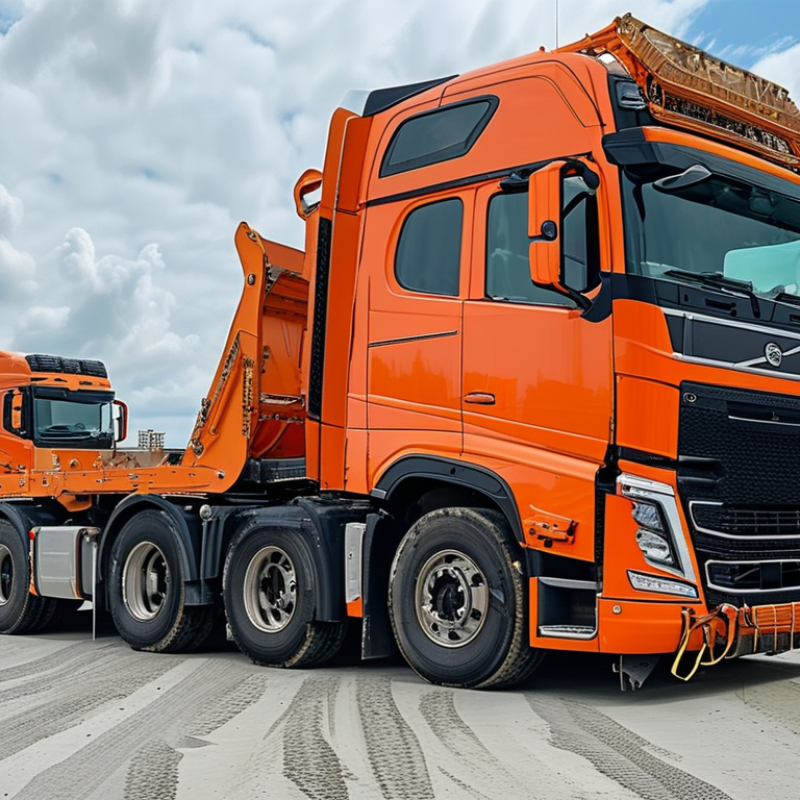
When choosing a dropside trailer, it's crucial to understand the various types available. There are flatbed dropside trailers, ideal for open cargo. They offer easy access from all sides. These trailers are perfect for transporting building materials or bulk supplies. Their simplicity makes loading and unloading straightforward.
Another type is the enclosed dropside trailer. This design provides added security for your cargo. It protects against weather and theft. Although these trailers can be heavier and more expensive, they offer peace of mind. If your cargo is valuable, this option is worth considering.
Think about your specific needs before making a decision. Consider the types of goods you will transport. Reflect on how often you need to load and unload. Each type of trailer has its pros and cons. It's essential to weigh these factors carefully. Look for reliable sources or experts for advice. The right choice will streamline your transportation process.
When choosing a dropside trailer, assessing your load capacity is vital. Understanding how much weight your trailer can handle ensures safety and efficiency. Typically, trailers come with specified weight limits. Exceeding these limits can lead to damage or accidents. Make sure to check the manufacturer's specifications for your specific model.
Weight requirements are not just numbers. The type of materials you plan to transport plays a significant role. Some materials are denser than others. For instance, transporting stones requires a different approach compared to moving lightweight goods like wood. Consider the distribution of weight on the trailer as well. Uneven loads can cause swaying during transit, leading to potential hazards on the road.
Reflecting on your needs is essential. Have you assessed the total weight you frequently carry? Many users underestimate their load, causing issues. It’s crucial to be honest about your regular loads. This self-assessment helps you select a trailer that truly meets your requirements. Remember, safety should always come first when transporting loads.
Choosing the right dropside trailer starts with understanding size and dimensions. Assessing the load you typically transport is critical. Will you haul large equipment or small furniture? Each requires a different trailer size to ensure efficiency and safety.
Measure the space where you plan to store the trailer. Many forget about parking and maneuvering space. A larger trailer may offer more utility but can be cumbersome in tight spots. Consider the weight capacity as well. A mismatched trailer can lead to dangerous road conditions. Often, users underestimate the weight of their loads, resulting in potential overloading.
Flatbed trailers are versatile options due to their open design. However, if you're hauling delicate items, sides can assist in securing the load. Reflect on your frequent tasks. Do you often need to unload or access the trailer in various areas? This could influence your choice. Take time to evaluate your specific requirements thoroughly before committing. Each decision can impact not just the efficiency of your work but also safety on the road.
| Trailer Size | Load Capacity (lbs) | Dimensions (ft) | Weight (lbs) | Ideal Use Case |
|---|---|---|---|---|
| Small | 1,500 | 4 x 6 | 600 | Light-duty transport, gardening supplies |
| Medium | 3,500 | 5 x 10 | 900 | Construction materials, recreational vehicles |
| Large | 7,000 | 6 x 12 | 1,200 | Heavy-duty transport, multiple vehicles |
| Extra Large | 10,000 | 8 x 16 | 1,800 | Commercial use, large equipment |
When selecting a dropside trailer, build quality and materials are crucial factors. The structure should be robust to withstand heavy loads. Aluminum and steel are common materials known for their strength. Aluminum is lightweight, which aids in fuel efficiency. Steel, however, offers unmatched toughness. Both options have their merits.
Examine the joints and welds closely. Poor craftsmanship can lead to failure over time. A quick inspection can reveal weaknesses. Look for corrosion-resistant coatings. This can extend the lifespan of the trailer. Remember, a trailer is an investment. Skimping on durability now can lead to greater costs later.
Weight capacity also depends on material. Aluminum trailers generally carry less than their steel counterparts. Consider the type of loads you will haul. If you're often transporting heavy items, steel is likely better suited for your needs. Ultimately, the choice reflects your usage. Never compromise on quality; your safety depends on it. Evaluate your options carefully.
When selecting a dropside trailer, the right features can significantly enhance its functionality. Consider the weight capacity, as a robust trailer handles heavy loads efficiently. Look for trailers with high-quality suspension systems. They provide stability over rough terrain. Adjustable sides are essential for varied load sizes. This flexibility makes them suitable for diverse hauling tasks.
Accessories also play a crucial role in a trailer’s usability. Toolboxes mounted on the trailer help keep your equipment organized. They prevent clutter and ensure easy access when needed. Additionally, consider splash guards and tarps. They protect your cargo from the elements. A good brake system is vital for safety. Check the braking features before making a choice.
Sometimes, buyers overlook maintenance features. Easy-to-replace parts can save time and money later. Think about resale value, too. A well-maintained trailer with useful features retains its worth. Reflect on what you truly need versus what's trendy. Make informed choices, and ensure that your dropside trailer genuinely meets your demands.
: There are flatbed and enclosed dropside trailers. Flatbeds are great for open cargo. Enclosed trailers provide added security.
Think about the goods you transport and how often you load and unload. Each trailer type has its advantages and drawbacks.
Assess the load you typically transport. Measure your storage space. Avoid underestimating the weight of your loads.
Important features include weight capacity and suspension systems. Adjustable sides and quality brakes also improve usability.
Accessories like toolboxes and tarps keep cargo organized and protected. They improve overall functionality and ease of use.
Easy-to-replace parts save time. Consider maintenance features to avoid higher costs down the line. Reflect on long-term usability.
When selecting the right dropside trailer for your needs, it's essential to understand the various types available, as each serves different purposes. Assessing your load capacity and weight requirements will help you choose a trailer that can efficiently handle your cargo without compromising safety. Additionally, evaluating the size and dimensions is crucial to ensure that the trailer fits your transportation needs while maintaining maneuverability.
Moreover, the build quality and materials used in the construction of dropside trailers play a significant role in their durability and overall performance. It’s also beneficial to explore various features and accessories that can enhance the functionality of the trailer, making it more versatile for different tasks. By considering these factors, you can make an informed decision and select a dropside trailer that perfectly matches your requirements.

Shodailer