
Selecting the right Semitrailer Trucks is crucial for any business that relies on transportation. You need to consider various factors before making a purchase. This decision impacts your operational efficiency and overall costs. Each truck serves a specific purpose; understanding this is key.
When evaluating Semitrailer Trucks, think about payload capacity, trailer types, and engine specifications. A truck that excels in one area may fall short in another. Proper research and expert opinions can help in making informed choices. Relying solely on price might not be wise.
There are many options available, and the market can be overwhelming. You might feel unsure about what suits your needs best. This guide will clarify essential considerations, helping you avoid common pitfalls. Remember, the right choice enhances productivity and ensures safety on the road.
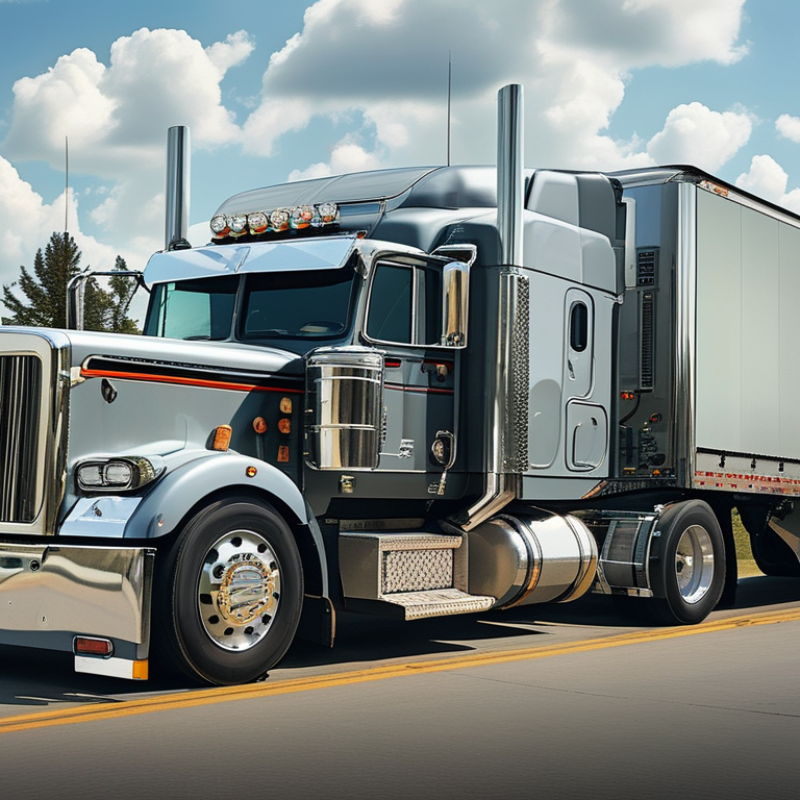
Selecting the right semitrailer truck can be a daunting task. It requires consideration of several critical factors. One major aspect is the weight capacity. According to a National Institute for Occupational Safety and Health report, the average weight of a loaded semitrailer truck can range up to 80,000 pounds. This highlights the importance of matching the truck's specifications with your transport needs.
Another significant factor is fuel efficiency. The American Transportation Research Institute found that fuel accounts for around 40% of a trucking company's operating costs. Choosing a more fuel-efficient semitrailer can greatly impact your bottom line. Look for models that enhance aerodynamics or employ advanced engine technologies.
Finally, ease of maintenance should not be overlooked. A well-maintained semitrailer truck can increase longevity and performance. The American Trucking Associations suggest that trucks should undergo regular inspections. Neglecting this can lead to costly repairs later. Evaluating your operational requirements and ensuring accountability in maintenance can lead to better outcomes in the long run.
When choosing a semitrailer truck, it's crucial to understand the different types available. You will encounter various configurations such as flatbeds, reefers, and dry vans. Flatbed trucks are ideal for hauling oversized loads like construction materials. Their open design simplifies loading and unloading. However, securing the cargo can be challenging, requiring careful attention.
Reefers, or refrigerated trucks, are essential for transporting perishable goods. They maintain a controlled temperature, ensuring food safety. This type is vital for businesses involved in groceries or pharmaceuticals. On the downside, these trucks can be more expensive to operate due to their refrigeration units, which consume more fuel.
Dry vans are a versatile choice for many. They protect cargo from the elements, making them suitable for a broad range of items. However, they limit the load size compared to flatbeds. Reflect on your specific needs when selecting a type. Consider factors like load capacity, frequency of loading, and the nature of the goods. Each type has its strengths and weaknesses, and understanding these is key to making an informed decision.
| Type of Semitrailer Truck | Payload Capacity (lbs) | Length (ft) | Common Uses |
|---|---|---|---|
| Flatbed Semitrailer | 48,000 | 48 | Construction materials, large equipment |
| Reefer Semitrailer | 42,000 | 53 | Perishable goods, pharmaceuticals |
| Dry Van Semitrailer | 45,000 | 53 | General freight, electronics |
| Tank Semitrailer | 50,000 | 48 | Liquids, food products, hazardous materials |
When selecting a semitrailer truck, understanding load capacity and weight limitations is crucial. The Federal Highway Administration states that the maximum legal weight for a combined vehicle is typically 80,000 pounds. Exceeding this limit can result in severe fines and safety risks. Each truck model comes with specific weight capacities, which are crucial for optimizing logistics.
It's essential to evaluate the Gross Vehicle Weight Rating (GVWR). Many trucks are designed to carry loads between 10,000 to 40,000 pounds or more. Incorrectly matching the truck to the cargo can lead to inefficiencies and increased fuel consumption. A study by the American Transportation Research Institute found that weight management has a significant impact on fuel efficiency, with well-matched truck and load combinations improving mileage by approximately 2%.
In addition, consider the type of cargo being transported. Different materials may have unique weight distribution characteristics. For example, liquid loads require special tank trailers to manage weight shift during transit. This can affect the stability of the vehicle. Drivers must also be trained to handle these variations. Understanding these critical details helps in making informed decisions that align with operational goals and safety regulations.
When assessing fuel efficiency for semitrailer trucks, consider engine type and design. Diesel engines typically offer higher fuel economy than gas engines. It's crucial to evaluate the truck’s horsepower and torque. These factors directly impact fuel consumption, especially during heavy loads. A truck with optimized aerodynamics can also enhance fuel efficiency significantly.
Maintenance costs are another critical aspect. Regular services such as oil changes, tire rotations, and brake inspections can add up. Choose a truck with readily available parts, as this can lower repair expenses. Understanding the warranty options is vital; this can save money on unexpected repairs. However, some trucks may have hidden maintenance costs, so thorough research is necessary. Check expert reviews and owner feedback about specific models for insight.
Don't forget to consider the truck's expected usage. A truck designed for short hauls might differ significantly in efficiency and maintenance needs from one meant for long hauls. Balancing immediate fuel savings with long-term maintenance reliability is essential. Reflect on your specific logistical needs and budget constraints. This approach helps in making a more informed decision.
When choosing a semitrailer truck, trailer configuration is crucial. Different loads require specific setups to optimize efficiency. For instance, a
flatbed trailer is ideal for heavy equipment. According to a recent industry report, flatbeds account for 32% of all trailer configurations in the U.S.
Understanding the demands of your business can guide this selection.
Consider the weight and dimensions of your cargo. A standard 53-foot dry van is suitable for general goods, but overweight items may require specialized trailers.
Data shows that companies using the wrong configuration can face fines of up to $5,000. Structural integrity and stability are also vital; improper setups may lead to accidents.
Many businesses overlook the importance of aerodynamics in their choice. An aerodynamic design can reduce fuel costs by up to 10%.
Still, it’s essential not to compromise on payload capacity. Resourceful operators frequently balance these factors, aiming for practical solutions.
Reflecting on your operational needs regularly can help refine your choices and enhance performance.
: The main types are flatbeds, reefers, and dry vans. Each serves different cargo needs.
Flatbeds are great for oversized loads. They simplify loading but can be tricky to secure cargo.
Reefers keep perishable goods at controlled temperatures. This is crucial for food safety and pharmaceuticals.
They can be costly to operate. Refrigeration systems consume a lot of fuel, affecting profits.
Dry vans protect cargo from weather. They are suitable for many items but limit load size.
Using the wrong setup can incur fines, up to $5,000. Structural integrity is key for safety.
Aerodynamics can lower fuel costs by 10%. However, it’s important not to sacrifice payload capacity.
Regular reviews of operational needs are essential. This can improve efficiency and performance in operations.
Consider weight, dimensions, and cargo nature. Each factor affects the configuration and operational cost.
Yes, securing cargo can be challenging on flatbeds. Careful attention is necessary to prevent accidents.
When selecting Semitrailer Trucks, it's crucial to consider several factors to ensure they meet your specific needs. Key considerations include understanding the different types of Semitrailer Trucks available, as each serves various functions and industries. Evaluating load capacity and weight limitations is essential for compliance with regulations and for optimizing efficiency in transport.
Additionally, assessing fuel efficiency and maintenance costs can significantly impact your overall expenses, making it important to choose a truck that balances performance with operational costs. Finally, selecting the right trailer configuration tailored to your business requirements will enhance productivity and profitability, making informed choices vital in the buying process. By carefully evaluating these aspects, you can find the ideal Semitrailer Trucks that best fit your operational goals.

Shodailer