Choosing the right little cargo trailers can be a daunting task. With so many options available, it’s important to understand your needs and why certain features matter. Little cargo trailers are not just handy for moving items; they also offer flexibility and reliability.
To find the best option, consider your hauling requirements. Think about what you will carry. Are you transporting lightweight goods or heavy equipment? The weight capacity of the trailer can greatly influence your decision. Another key factor is the construction material. A durable trailer will last longer and withstand the elements.
Researching different brands can also prove beneficial. Not all little cargo trailers are created equal. Some may boast impressive features but lack in quality. Reading reviews and seeking recommendations can help you avoid poor choices. Reflecting on your priorities and aligning them with the right trailer is essential for a successful purchase.
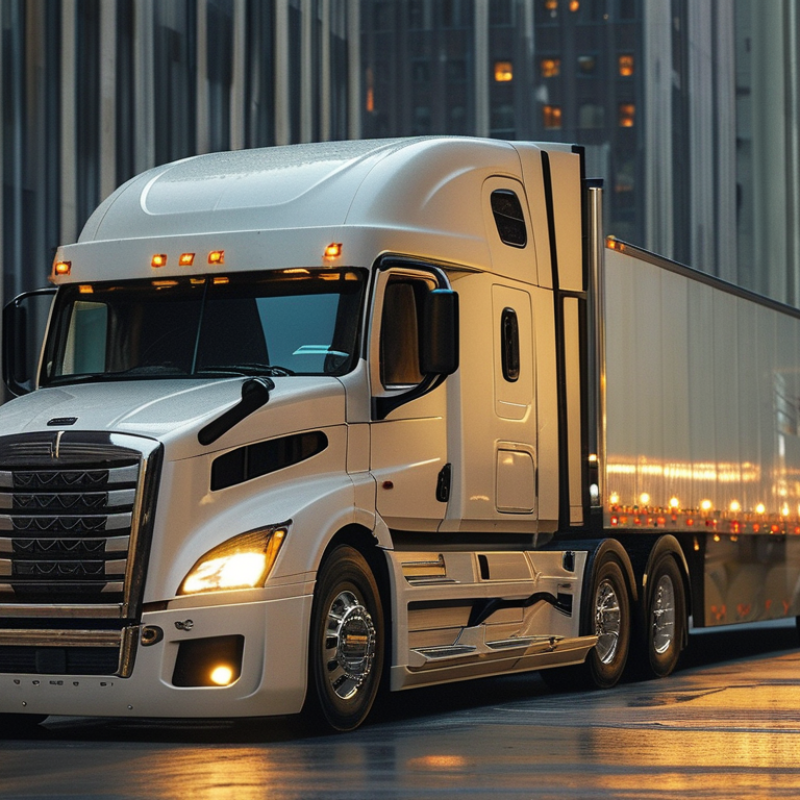
Factors to Consider When Choosing a Little Cargo Trailer
Choosing a little cargo trailer requires careful consideration of several important factors. The first aspect is size. Think about what you plan to transport. Will you need space for larger items like furniture, or just smaller loads like tools? Measure your trailer space against the items you have. This ensures you won’t overpack it or struggle with limited room.
Weight capacity is critical. Know the weight of what you intend to carry. Exceeding the trailer's limits can create safety issues while driving. It's also wise to think about materials. Aluminum trailers are lightweight, while steel ones offer durability. Consider the trade-offs. A heavier trailer can take more punishment, but it may also consume more fuel.
Lastly, think about the ease of towing. Check the compatibility with your vehicle. Is it easy to attach and detach? Does it maneuver well? Poor handling can lead to frustration. It’s easy to overlook these details, yet they significantly affect your overall experience. Take time to reflect on your unique needs. This thoughtfulness will guide you toward the right choice.
Types of Little Cargo Trailers Available in the Market
When exploring the types of little cargo trailers available, it's essential to consider their unique features. There are primarily two categories: utility trailers and enclosed trailers. Utility trailers are open-faced, making them versatile for transporting various items. They are lightweight and easy to tow, often used for landscaping or outdoor activities. According to industry reports, utility trailers account for nearly 60% of all small trailer sales, due to their affordability and flexibility.
Enclosed trailers, on the other hand, provide added protection for your cargo. These trailers come with fully closed sides and a secure lock, shielding your valuables from weather and theft. They tend to be heavier and pricier than utility models. Data suggests that enclosed trailers make up about 35% of the market, favored by those needing to transport sensitive equipment or goods securely. However, their increased weight can pose challenges for small vehicles, which may struggle with towing capacity.
Consideration of dimensions is also crucial. The typical little cargo trailer ranges from 4x8 feet to 6x12 feet. Small discrepancies in size and weight can impact towing ease and vehicle performance. Many buyers overlook these factors, leading to dissatisfaction. It's advisable to reflect on your actual needs, ensuring that the chosen trailer matches your intended use without overwhelming your vehicle's capabilities.
Little Cargo Trailers Tips for Choosing the Best Options
| Type |
Load Capacity (lbs) |
Dimensions (ft) |
Material |
Average Price ($) |
| Enclosed Cargo Trailer |
3000 |
12 x 6 |
Aluminum |
2500 |
| Open Utility Trailer |
2200 |
10 x 5 |
Steel |
1200 |
| Small Flatbed Trailer |
1500 |
8 x 4 |
Wood/Steel |
800 |
| Bike Cargo Trailer |
500 |
4 x 3 |
Aluminum |
600 |
Key Features to Look for in a Little Cargo Trailer
When choosing a little cargo trailer, consider crucial features that enhance functionality.
Payload capacity is vital. Most reliable trailers can carry between 1,500 to 3,000 pounds. Analyze your hauling needs to ensure you select a model that meets your requirements.
Construction quality significantly impacts durability. Look for trailers made of sturdy materials like reinforced steel or aluminum. A well-built trailer should withstand rough handling.
Additionally, check for rust-resistant coatings, which are essential for longevity. The Tire Association reports that proper tire maintenance can improve safety and enhance a trailer's lifespan by up to 25%.
Lastly, examine the design features. A good cargo trailer should have adjustable tie-downs and easy access points. Consider the trailer's dimensions to ensure it fits your vehicle and storage space. As per industry experts, a trailer's aerodynamics can also affect fuel efficiency.
Incorrect trailer size or shape might lead to increased drag, ultimately causing higher fuel consumption.
Budgeting for Your Little Cargo Trailer Purchase
When budgeting for a little cargo trailer, understanding costs is vital. According to industry reports, the average price range for a small cargo trailer is between $2,000 and $5,000. However, prices can vary significantly based on features, brand, and condition. Buyers should keep in mind the total cost of ownership, including insurance, maintenance, and potential customization. Many owners overlook these additional expenses, leading to budget overruns.
Additionally, it's important to assess the specific needs for the trailer. A lightweight model may suffice for occasional use, while a sturdier unit is needed for regular hauling. A report from the Recreational Vehicle Industry Association (RVIA) indicates that consumers often underestimate the load capacity needed, which can lead to financial strain down the line. Buyers should calculate their expected usage and weight requirements to avoid regretting their purchase.
Lastly, consider the resale value. As noted by various market analysts, well-maintained trailers retain their value better. This factor can significantly influence long-term budgeting. Conducting thorough research and aligning purchases with practical needs can make a positive difference in financial planning. Balancing initial cost with expected longevity and usability is key.
Little Cargo Trailers: A Budgeting Overview
This bar chart illustrates the average prices of different models of little cargo trailers. When budgeting for your purchase, consider the features that come with each model to determine the best value for your needs.
Maintenance Tips for Keeping Your Little Cargo Trailer in Top Shape
Maintaining your little cargo trailer is crucial for optimal performance and longevity. Regular inspections should become a habit. Check the tires for wear and ensure the air pressure is within recommended levels. According to the National Association of Trailer Manufacturers, a well-maintained trailer can enhance fuel efficiency by up to 20%.
Cleaning is another essential step. Dirt and debris can lead to rust and corrosion over time. A simple wash can prevent long-term damage. Ensure that moving parts, such as hinges and couplings, are lubricated regularly. Neglecting these details can lead to costly repairs.
Don’t forget about your trailer's brakes. Faulty brakes are a leading cause of accidents. A study from the Highway Safety Institute found that nearly 25% of trailer-related incidents are linked to brake failures. Conduct routine checks to confirm that brake pads, lights, and wiring are in good condition. Emphasizing these maintenance practices ensures your little cargo trailer remains reliable and safe for all your hauling needs.
FAQS
: There are utility trailers and enclosed trailers. Utility models are open-faced and versatile. Enclosed trailers provide better protection.
Utility trailers are lightweight, affordable, and easy to tow. They are great for landscaping and outdoor activities.
Enclosed trailers are heavier and more expensive. They can be challenging for small vehicles to tow effectively.
Dimensions affect towing ease and vehicle performance. Small differences can lead to dissatisfaction if not considered.
Prices range from $2,000 to $5,000. Variations occur based on features and condition, so budget accordingly.
Total cost includes insurance, maintenance, and customization. Buyers often overlook these expenses, causing budget overruns.
Regularly inspect tires, brakes, and moving parts. A simple wash can prevent rust and keep it in good shape.
Faulty brakes can cause serious accidents. Brake failures are linked to many trailer-related incidents, so regular checks are vital.
A well-maintained trailer can improve fuel efficiency by up to 20%. Regular inspections and maintenance help achieve this.
Well-maintained trailers retain their value better. Researching and aligning purchases with needs can aid financial planning.
Conclusion
When choosing the best options for Little Cargo Trailers, there are several important factors to consider. First, think about the types of trailers available, which can range from basic models to more specialized options designed for specific needs. Key features such as weight capacity, durability, and ease of use should also be prioritized to ensure the trailer meets your requirements.
Budgeting is crucial, as prices can vary significantly. It’s essential to find a balance between affordability and quality. Additionally, maintaining your Little Cargo Trailer is key to ensuring its longevity and performance. Regular inspections and proper care will keep your trailer in top shape, allowing you to maximize its utility for transporting goods safely and efficiently.
 Shodailer
