 Shodailer
Premium Heavy-Duty Trailer Series
Engineered for Global Freight, Infrastructure Logistics, and Heavy-Haul Transportation
About Us
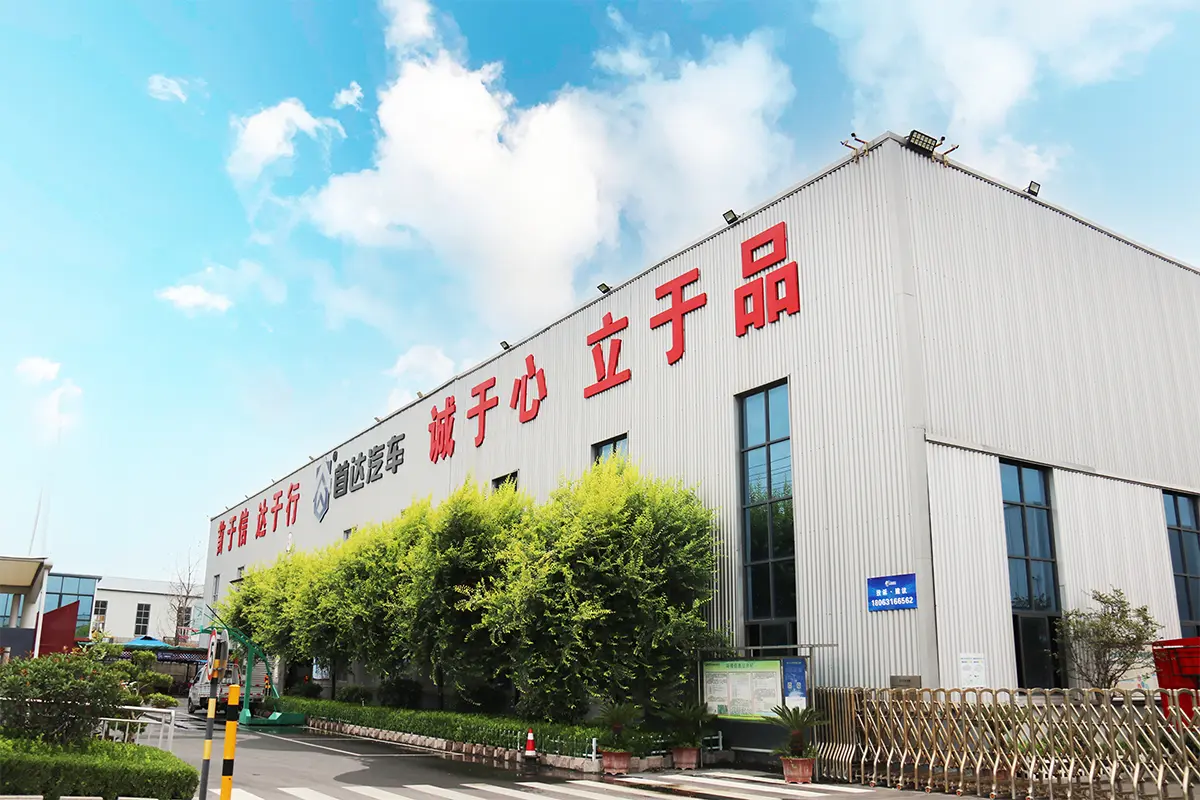
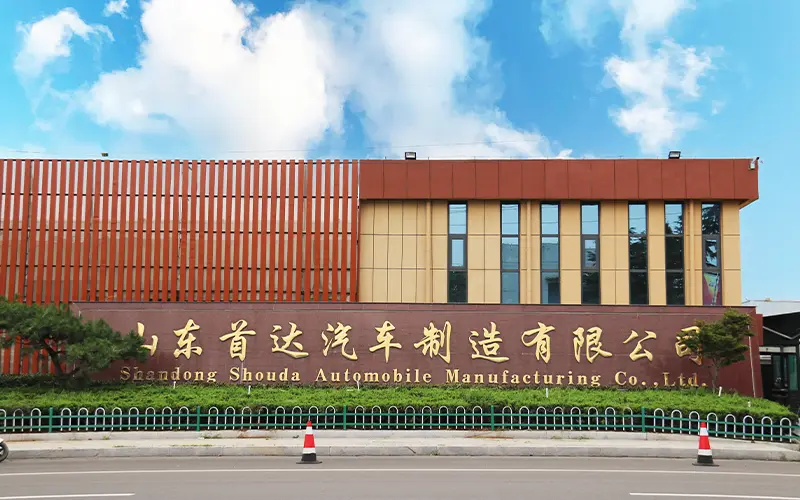
Shandong Shodailer Automobile Manufacturing Co., Ltd. is strategically located in Mengyin, Shandong, China—the cradle of the historic Yimeng Spirit. As an elite enterprise officially listed in the Public Notice of China Ministry of Industry and Information Technology Announcement Enterprises, we represent the vanguard of advanced mechanical engineering and commercial transport architecture.
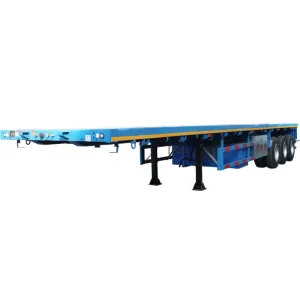
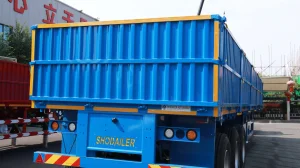
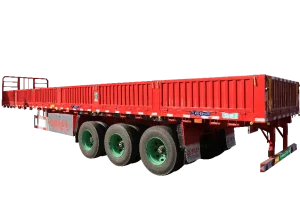
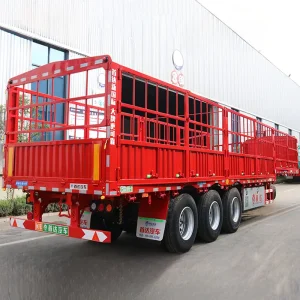
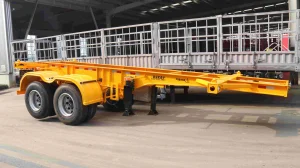
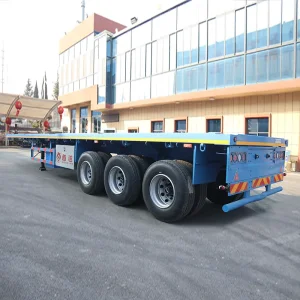
By seamlessly integrating technology R&D, automated manufacturing, global marketing networks, and responsive lifecycle support services, we are committed to creating high-end, high-quality modern special vehicles. Our product matrix spans across high-performance Fence semi trailers, Cargo semi trailers, Skeleton semi trailers, Lowboy (Low Bed) semi trailers, Flatbed semi trailers, Side dump semi trailers, Rear dump semi trailers, and bespoke special vehicle conversion solutions designed for challenging international operational profiles.
Strategic Insights: China Low Bed & SKD Infrastructure
Evaluating Technical Standards, Assembly Logistical Arbitrage, and Global Market Directions
1. The Evolution of Low Bed & Container Logistics
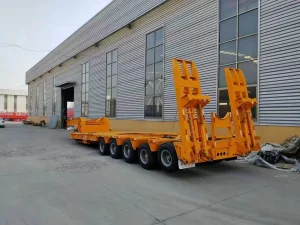
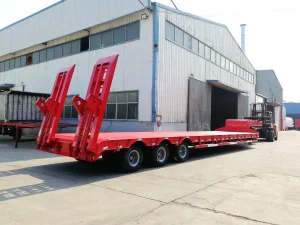
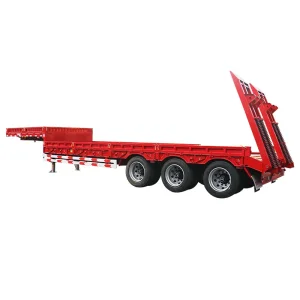
In modern multimodal freight systems, the capability to transport high-center-of-gravity machinery, heavy industrial components, and ISO containers simultaneously is a vital metric of logistical efficiency. Low bed trailers (alternatively termed lowboys or drop-deck trailers) feature a load-bearing deck positioned significantly lower than standard flatbeds. This structural design lowers the center of gravity, enhancing stability, safety, and compliance with restrictive overhead clearances under bridges, tunnels, and utility cables.
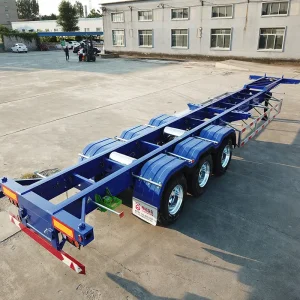
The integration of container locks onto low bed structures has revolutionized the transport of high-cube containers and heavy machinery alike. Rather than maintaining separate fleets, fleet operators utilize low bed container chassis to optimize asset utilization. In regions like East Africa, Central Asia, and Latin America, where road conditions vary from paved highways to unpaved resource-extraction routes, heavy-duty low bed container trailers act as the vital link between maritime ports and landlocked development zones.
2. SKD and CKD Models: Mitigating High Tariffs and Shipping Overhead
Global logistics and procurement are governed by structural costs: ocean freight rates, terminal handling fees, and national import duties. As a leading manufacturer, Shandong Shodailer Automobile Manufacturing Co., Ltd. addresses these financial variables by offering advanced Semi-Knocked Down (SKD) and Completely Knocked Down (CKD) shipping configurations.
Shipping fully assembled semi-trailers (Completely Built Up - CBU) via Roll-on/Roll-off (RoRo) or bulk carriers is capital-intensive and subject to damage from maritime moisture. In contrast, our SKD systems break down the trailer into main sub-assemblies:
- The Chassis Frame: Fully welded, sandblasted, and coated main longitudinal beams and crossmembers.
- The Running Gear Assembly: Axles (Fuwa, BPW, or custom Shodailer specification), leaf springs, or air suspension systems packaged compactly.
- Accessories: Landing gear, kingpins, brake chambers, air reservoirs, and electrical harnesses.
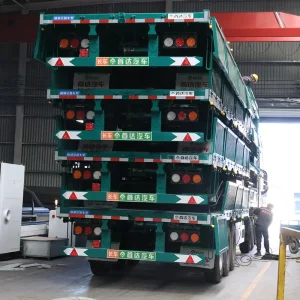
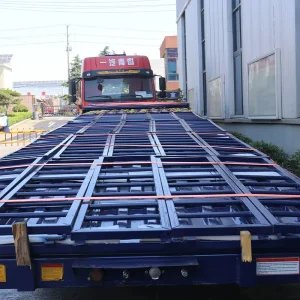
By utilizing SKD configuration, up to four container flatbeds or three low-bed trailers can be nested within a single standard 40-foot High Cube (40HQ) container. This increases container space efficiency by over 200%, translating directly to massive ocean freight savings. Furthermore, many countries impose significantly lower tariffs on SKD parts compared to finished road vehicles, allowing local importers to benefit from tariff differentiation while stimulating domestic assembly jobs.
3. China Industry 4.0: Supply Chain Resilience and Manufacturing Precision
The consistency of Chinese semi-trailers is driven by deep supply-chain integration and advanced manufacturing technologies. In our Mengyin facility, Shandong Shodailer utilizes Industry 4.0 production techniques:
- Automated submerged arc welding (SAW): Ensures penetration and weld bead consistency along the high-tensile steel main beams (typically utilizing Q345B or high-strength T700 steel grades). This prevents weld fatigue and structural failure under load stress.
- 70% Production Automation: Robotic cutting, bending, and welding cells minimize human error, guaranteeing that every frame member adheres to tight engineering tolerances.
- Shot Blasting & Electrophoretic Coating: Every trailer chassis undergoes thorough mechanical shot blasting to remove mill scale and oxidation, followed by advanced primer coating. This is critical for trailers deployed in humid coastal regions (such as Dar es Salaam, Tanzania) where rust can compromise structural integrity.
Our Strategic Advantages
Why Enterprises Worldwide Trust Shodailer's Automotive Engineering

Integrated organization with R&D, Production, Marketing, and Service centers. Over 200 experienced workers and dozens of specialized lines across 28,000+ sqm.

Committed to creating high-end, high-quality modern special vehicles with optimized payload-to-weight ratios and structural configurations.

Over 10 years of vehicle production experience, featuring an expansive multi-model selection optimized for diverse road regulations globally.

Modern and advanced production lines utilizing robotic welding cells, achieving a 70% automation rate during mechanical fabrication.

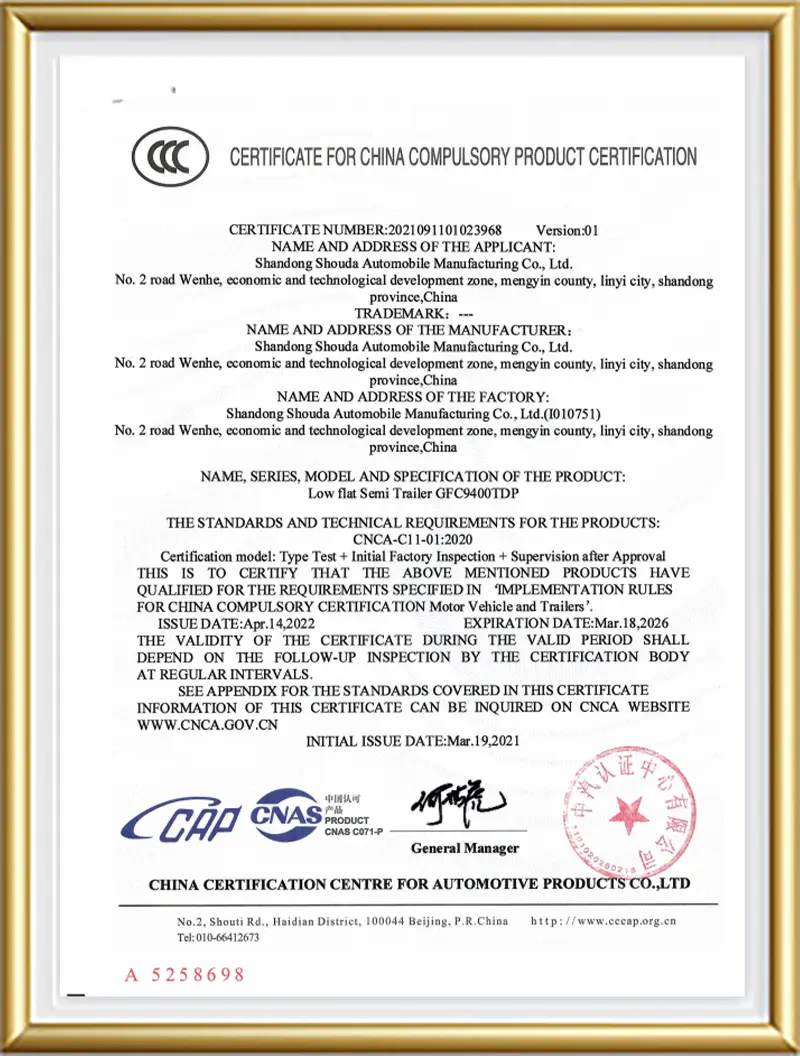
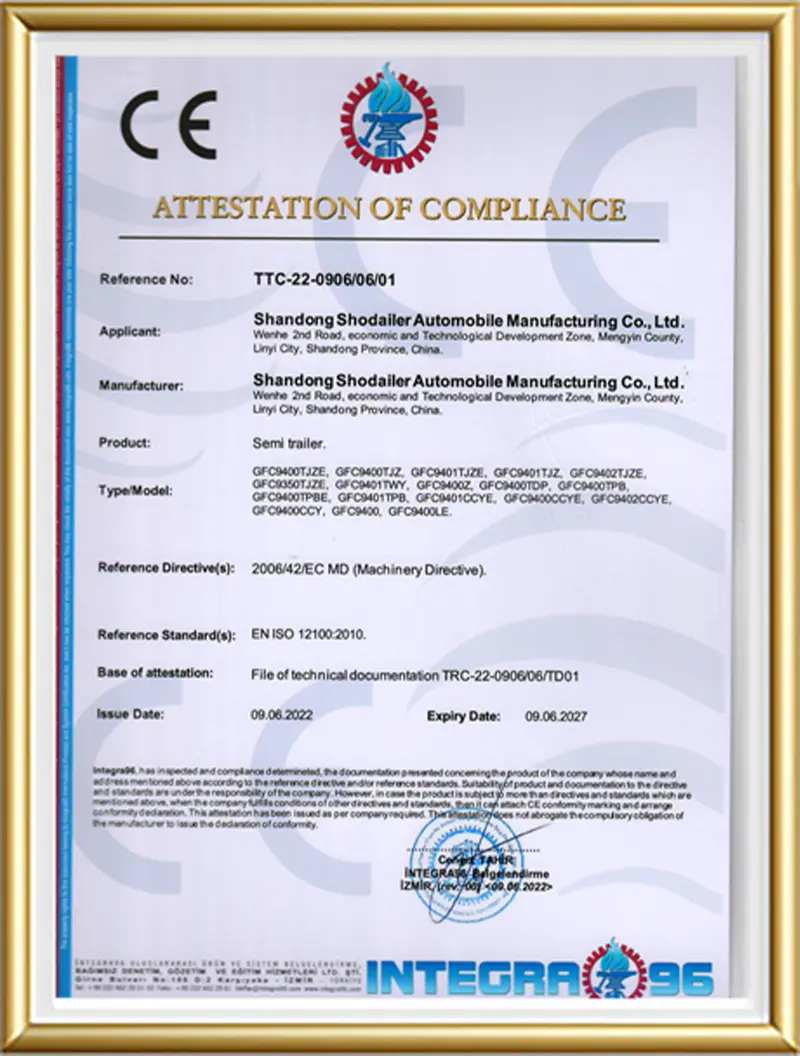
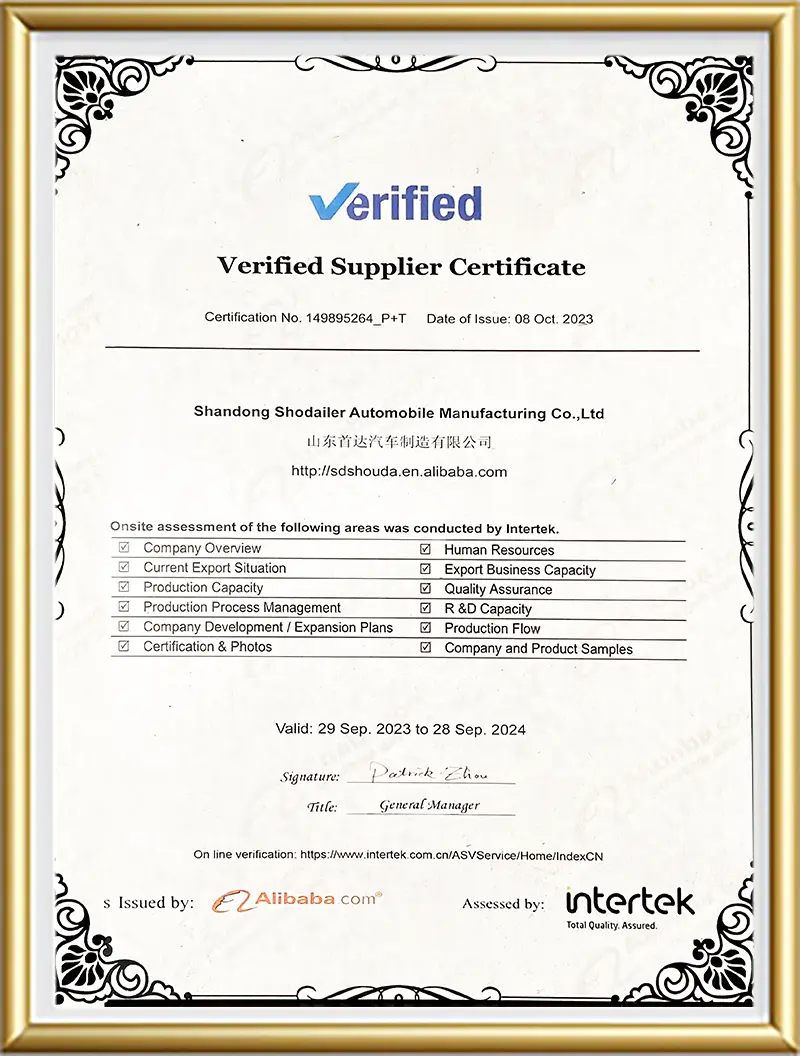
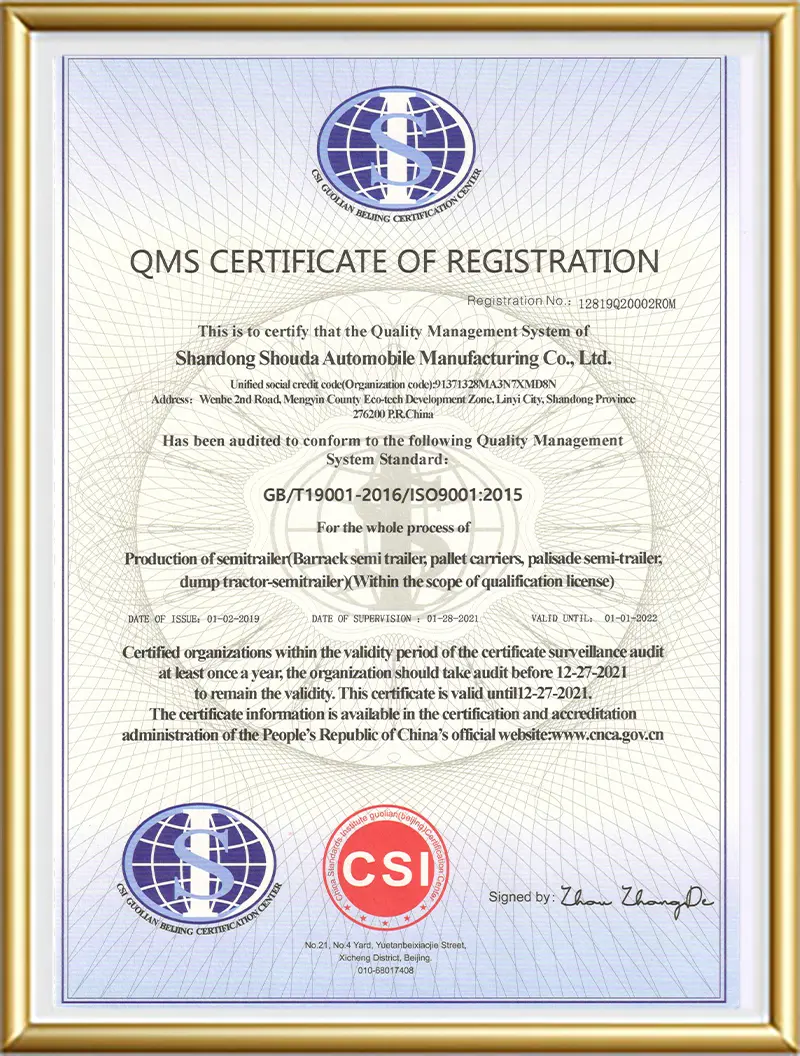
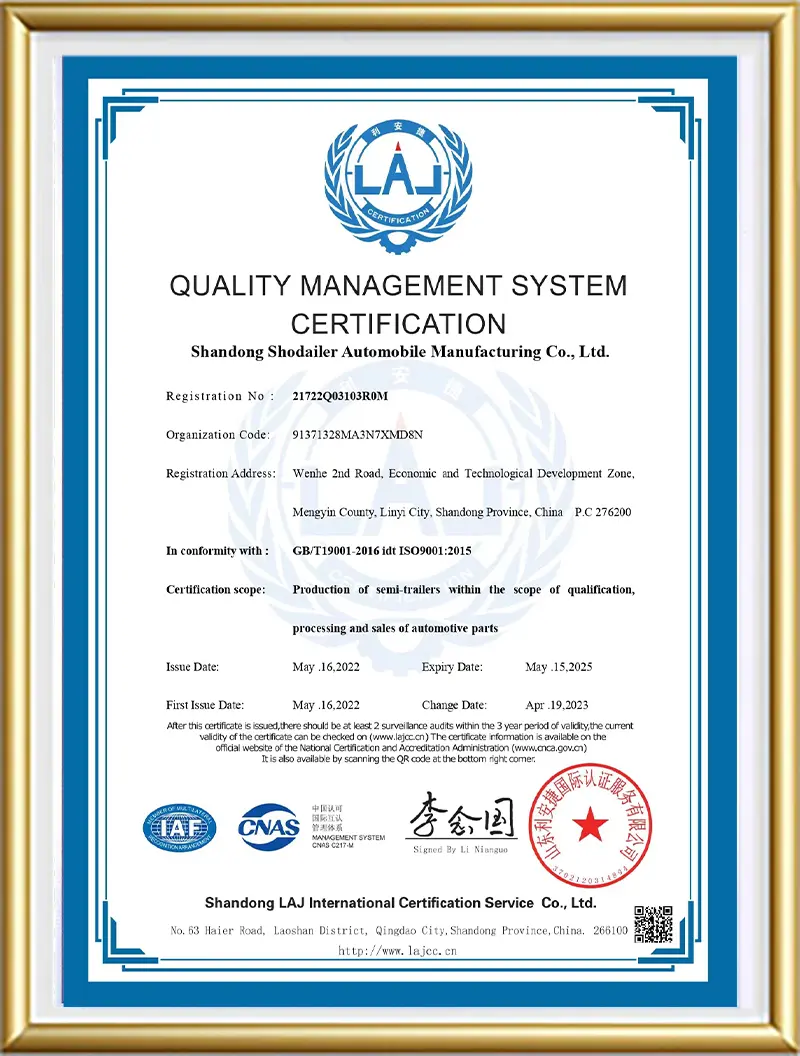
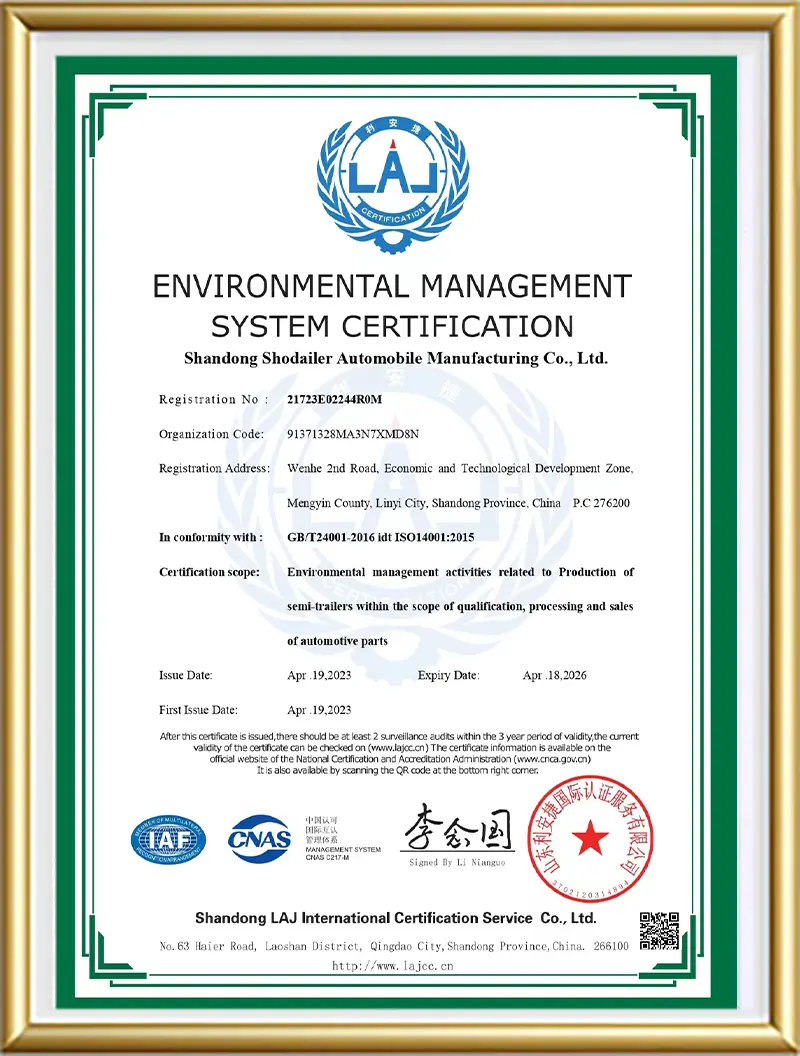
Certified by National CCC, ISO9001, and CE. Authorized as an AAA organization by the China Integrity Enterprise Product Quality Supervision Center.

Served over 100,000 customers, exporting to more than 30 countries across Africa, Southeast Asia, and Latin America with highly praised durability.
Engineering Priorities
Explore the Structural Pillars Supporting Our Industrial Vehicles
Technology-Driven Optimization
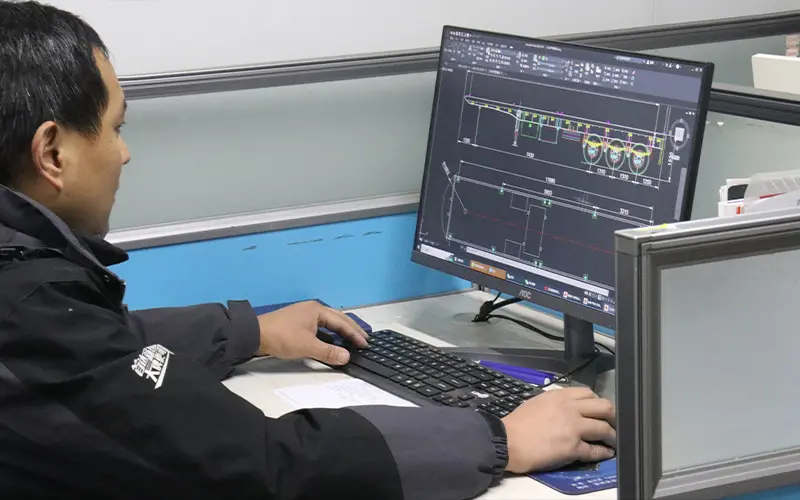
We are devoted to building super safe, durable, and lighter vehicles through focused research. By importing advanced design concepts, using precision CAD/FEA simulation software, and deploying state-of-the-art production machinery, we ensure high torsional rigidity and structural integrity.
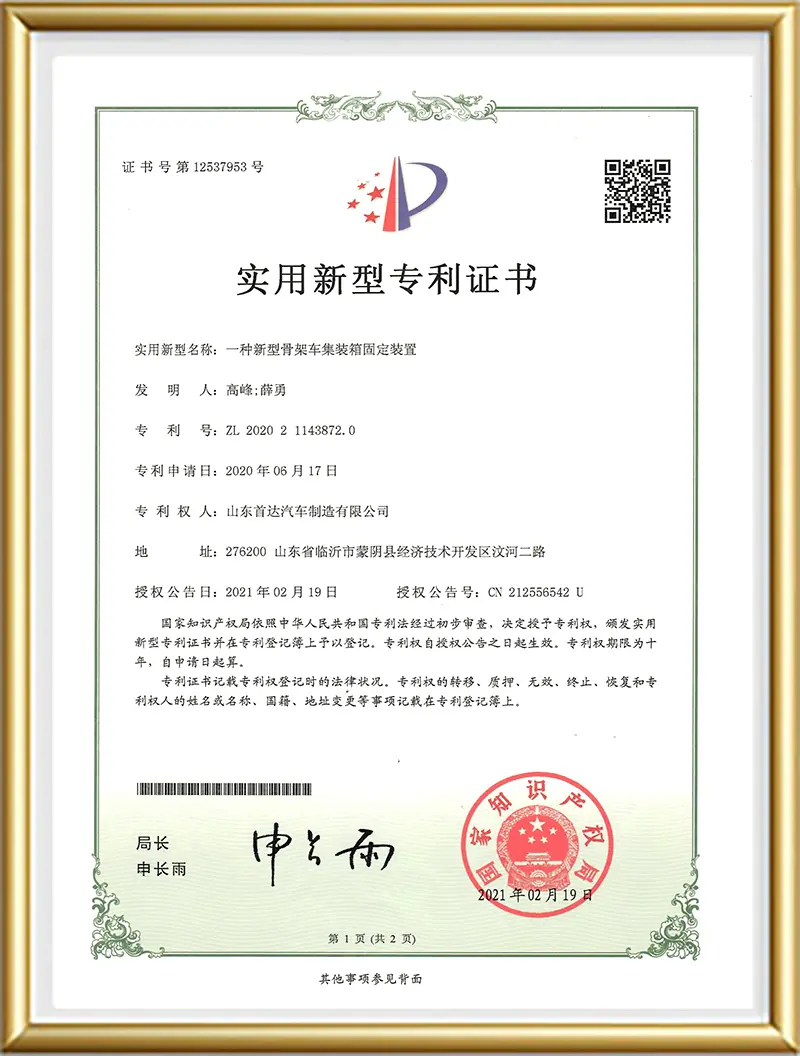
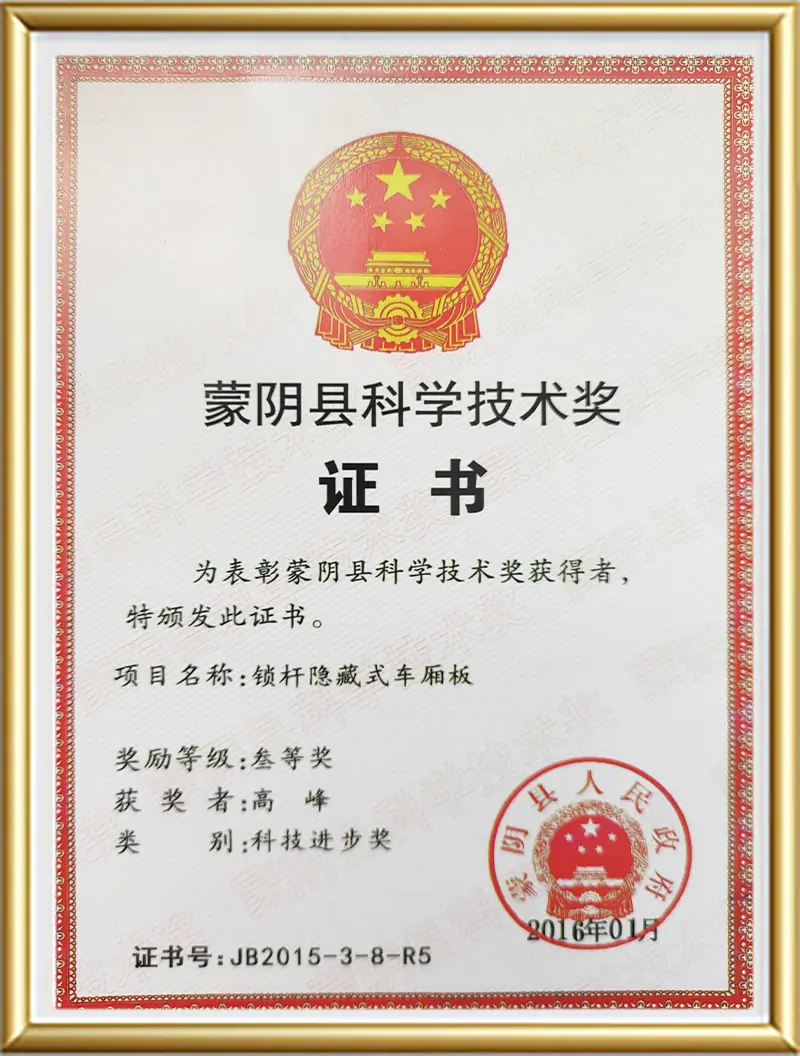
Quality Certifications
Internationally Validated Manufacturing and Quality Standards
Our Services & Philosophies
Guiding Principles Propelling Our Global Industrial Success
Business Philosophy
First in Faith, Succeed by Action. Sincerity from Heart, Oriented to Quality. We cultivate long-term partnerships built on engineering honesty.
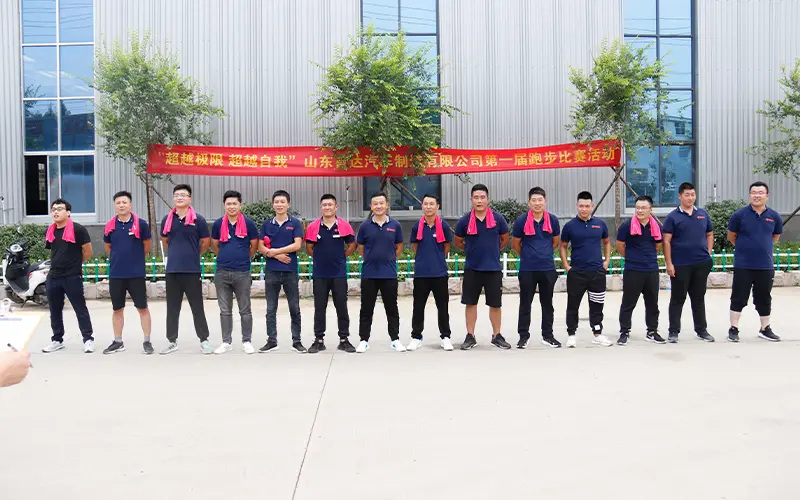
Core Values
Complete Sincerity, Customer Success, Cooperation & Sharing. We align our manufacturing schedules with customer logistics requirements.
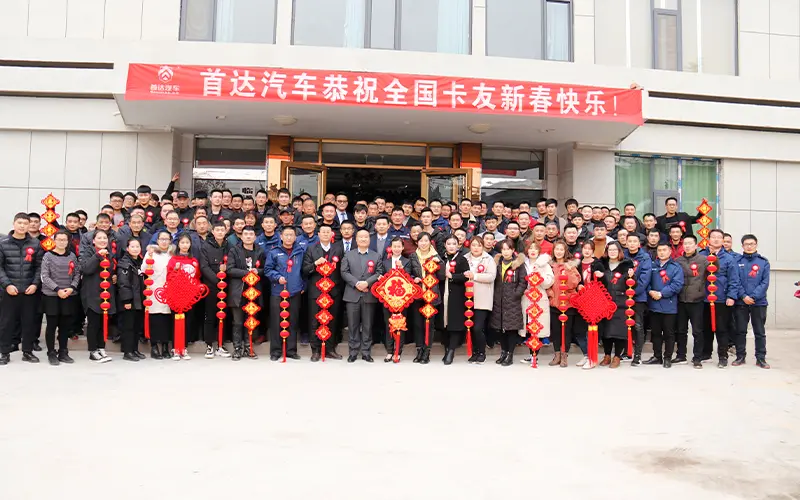
Business Vision
To Create Excellent Products, To Build a World Brand, To be a Century Enterprise through persistent innovation and quality assurance.
Real-world Performance Cases
How Shodailer Trailers Create Measurable Value for Global Fleet Operators
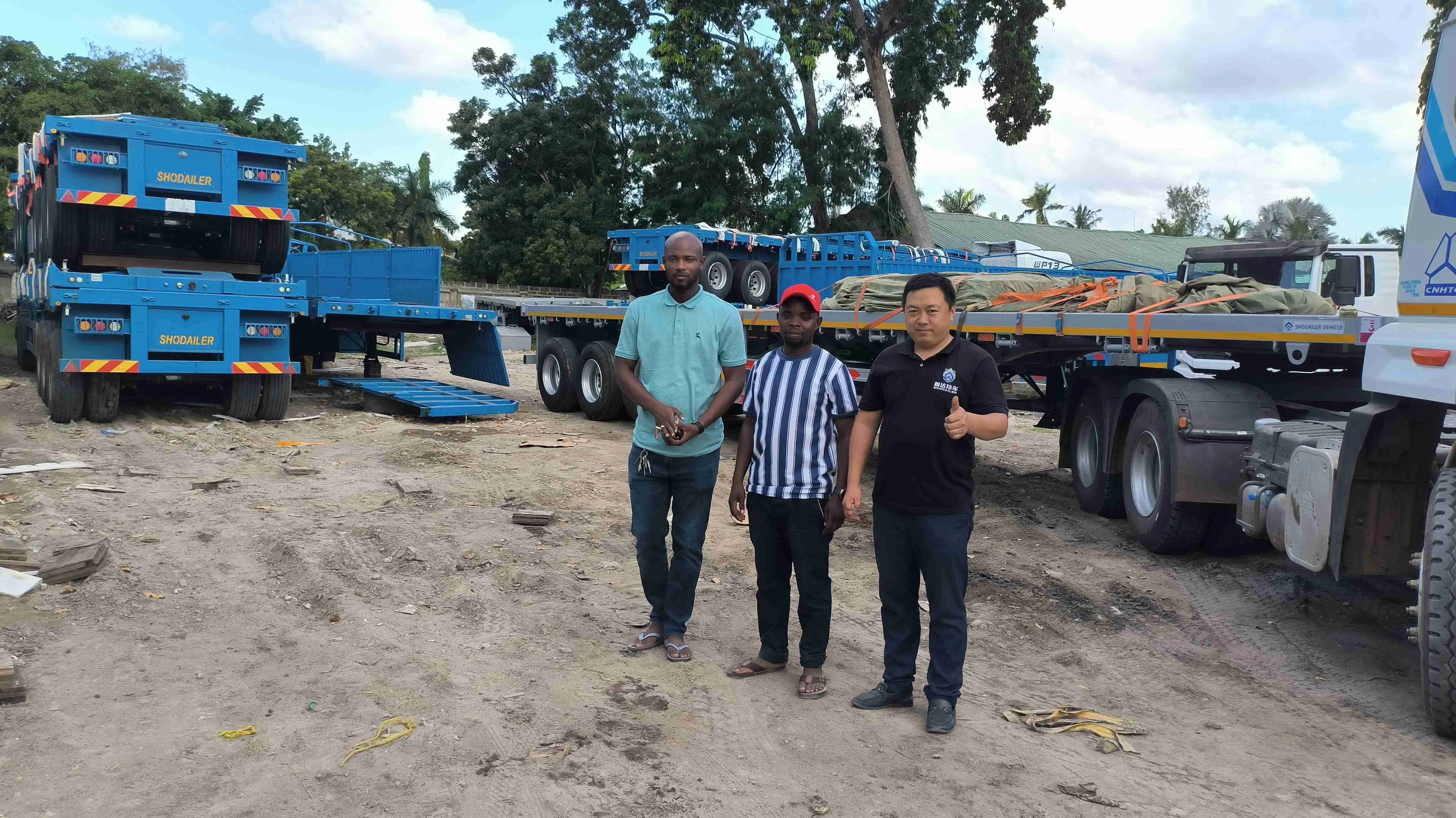
Grain wholesaler. Uses semi-trailers to transport wheat/sorghum from production areas to inter-provincial markets. Single-trip load increased by 60% compared to ordinary trucks, unit freight costs decreased by 35%, saving the cost of 2 full trips monthly.
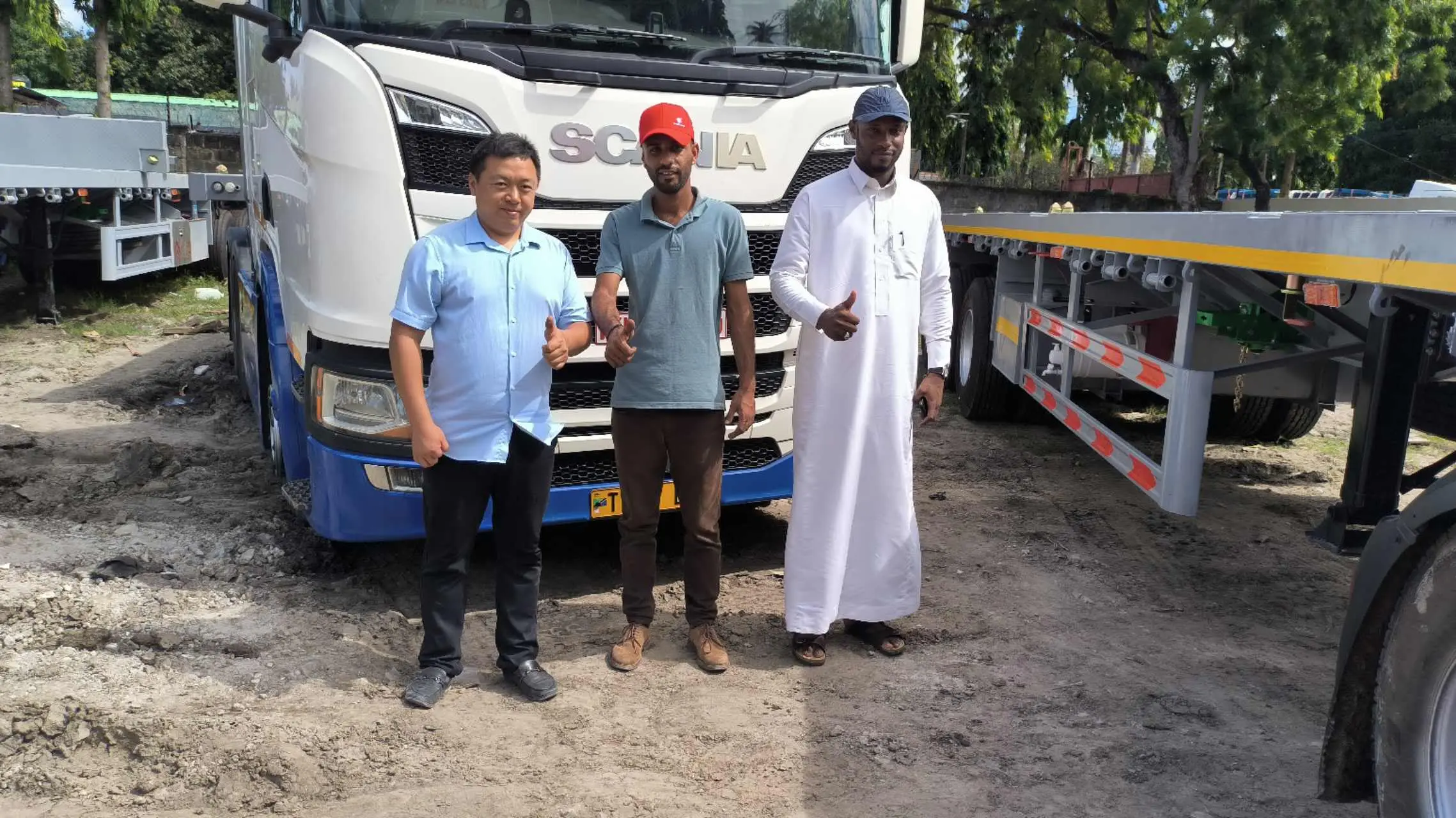
Construction material supplier. Semi-trailers transport cement/steel to inter-city construction sites. Eliminating multiple round-trips increased single-trip efficiency by 40%, saving ~280 USD monthly on labor & fuel costs.
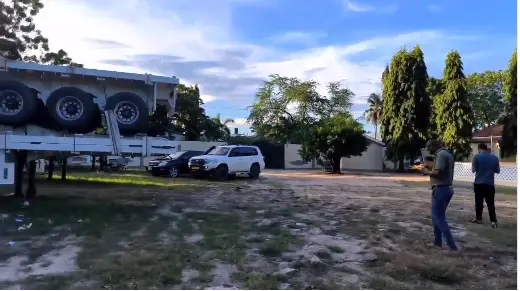
Feed factory owner. Semi-trailers transport soybean meal/corn from agricultural hubs to processing plants. A single trip carries 3x ordinary truck payloads, cut transport cycle times by 50%, and decreased warehouse inventory costs by 25%.
Expert Knowledge Base & FAQ
Key Technical and Logistical Questions Addressed by Shodailer Engineers
Additional Logistics Solutions
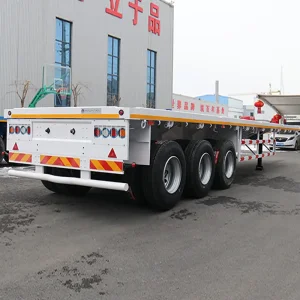
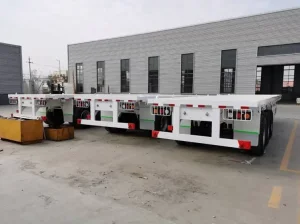
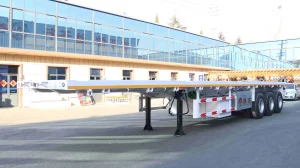
Explore Our Complete Portfolio of Flatbeds, Skeletons, and Custom Transport Rigs
Connect with Our Technical Sales Team
Let Shodailer Optimize Your Logistics Fleet and SKD Assembly Supply Chains